When choosing automotive window tint, one of the most common questions is:
Should you tint the entire car or just the front windows?
This decision affects not only heat rejection, UV protection, and privacy, but also legal compliance in your market. In this guide, we break it down clearly to help you make the right, regulation-friendly choice.
1. Full Car Tint vs Front Windows Only: What’s the Difference?
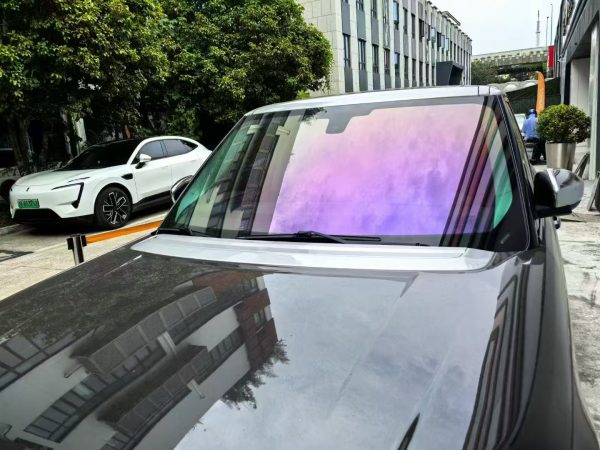
Full Car Tint (Windshield + Front + Rear Windows)
Best for:
Drivers in hot climates (e.g., Middle East, Southeast Asia)
Users seeking maximum heat rejection and UV protection
Privacy-focused car owners
Advantages:
Consistent thermal insulation across the entire vehicle
Better protection for interior materials (leather, dashboard)
Enhanced privacy for passengers and belongings
Considerations:
Must strictly follow Visible Light Transmission (VLT) regulations for each window
Windshield and front windows usually have stricter limits
—
Front Windows Only Tint (Windshield + Front Side Windows)
Best for:
Compliance-first buyers
Fleet operators or commercial vehicles
Regions with strict tinting laws
Advantages:
Easier to stay within legal limits
Lower overall cost
Reduced risk of fines or inspection failure
Limitations:
Rear cabin still exposed to heat and UV
Less privacy for passengers
—
2. Understanding Tint Laws (Key Compliance Factors)
Different countries have different regulations, but most follow similar principles:
Windshield (Front Glass)
Usually must allow 70–75% VLT or higher
Some regions allow only a sunstrip at the top
Front Side Windows
Typically require ≥50–70% VLT
High visibility is mandatory for driver safety
Rear Side Windows & Rear Windshield
More flexible regulations
Darker tints (20–40% VLT or lower) often allowed
👉 Pro Tip: Always check your local regulations before installation. Non-compliant tint can result in fines, forced removal, or failed inspections.
—
3. Best Strategy: Compliance + Performance Balance
Instead of choosing between full or partial tint, the best approach is:
Recommended Setup (Global Best Practice)
Windshield: High VLT nano ceramic film (70%+)
Front Side Windows: Medium-high VLT (50–70%)
Rear Windows: Lower VLT for privacy (20–40%)
This setup ensures:
Legal compliance
Strong heat rejection
Balanced privacy and visibility
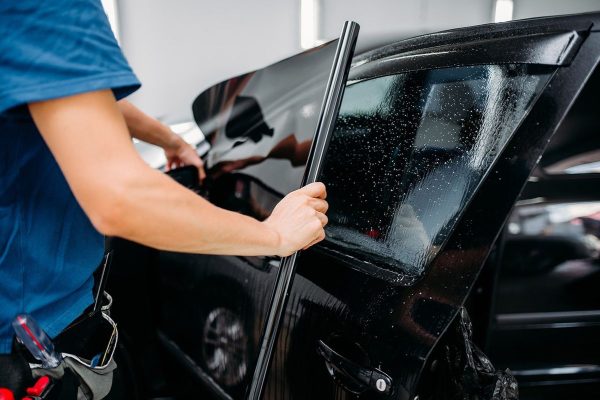
![]()
—
4. Choosing the Right Tint Material
Material matters just as much as coverage area.
Nano Ceramic Window Film
Excellent heat rejection without affecting visibility
No signal interference (GPS, mobile, radio)
Long-lasting and color-stable
Sputtered (Magnetron) Film
High performance with metallic layers
Strong infrared blocking
Premium option for high-end markets
Dyed Film (Budget Option)
Basic privacy and appearance
Limited heat rejection
Shorter lifespan
—
5. Common Mistakes to Avoid
❌ Choosing dark tint for the windshield (illegal in most countries)
❌ Ignoring VLT specifications
❌ Prioritizing appearance over compliance
❌ Using low-quality film that fades or bubbles quickly
—
6. Final Recommendation
If your priority is maximum comfort and protection, go for a full car tint with compliant VLT levels.
If your priority is strict legality and budget control, choose front windows only.
For most users, the hybrid approach (legal full car tint) offers the best balance.
—
Conclusão
Whether you choose full car tint or front-only tint, the key is to align your decision with local regulations, climate conditions, and usage needs. A well-planned tint setup not only enhances driving comfort but also ensures long-term compliance and value.

 English
  العربية
  Русский
  Português