Teste de remoção de envelopamento de vinil com mudança de cor: Sem resíduos após 3 anos de verificação.
Academia / Película de proteção de pintura automotiva
If you’re considering a color change vinyl wrap for your car, one of the biggest concerns is likely: Will the wrap leave sticky residue or damage the original paint when removed, especially after years of use? To answer this question, we conducted a real-world test: removing a high-quality color change vinyl wrap that had been on a car for 3 full years. The result? No residue, no paint damage, and a smooth, original finish. In this article, we’ll walk you through the test details, what makes a quality wrap residue-free, and key tips for successful wrap removal after long-term use.
Test Overview: 3-Year-Old Color Change Vinyl Wrap Removal
Before diving into the results, let’s outline the test parameters to ensure transparency. This wasn’t a controlled lab experiment—this was a real car, driven daily, exposed to all types of weather conditions, which is exactly the scenario most car owners face.
Test Vehicle & Wrap Details
Vehicle Model: Honda Civic 2020 (original paint color: white, factory finish in good condition before wrapping)
Wrap Duration: 3 years (installed in March 2021, removed in March 2024)
Exposure Conditions: Daily commuting (15,000+ miles per year), exposure to sun, rain, snow, high temperatures (up to 95°F/35°C) in summer, and low temperatures (down to 20°F/-7°C) in winter. The car was parked outdoors 80% of the time, with occasional garage storage.
Installation: Professionally installed by a certified wrap installer (proper surface cleaning, no shortcuts in preparation)
Test Goal
Evaluate whether the 3-year-old vinyl wrap would: 1) Leave adhesive residue on the original paint; 2) Cause peeling, fading, or damage to the factory paint; 3) Be removable without excessive force or specialized tools (beyond standard wrap removal equipment).
Step-by-Step Removal Process & Real-Time Observations
We followed industry-standard vinyl wrap removal procedures to ensure fair results. Here’s how the process unfolded, with key observations at each step:
Step 1: Pre-Removal Preparation
First, we cleaned the wrap surface with a mild soap and water solution to remove dirt, dust, and grime. This prevents debris from scratching the paint during removal. We also let the car sit in direct sunlight for 30 minutes—warmth softens the adhesive, making removal easier (avoid using excessive heat tools like heat guns, which can damage paint if misused).
Observation: The wrap surface was still intact, with minimal fading (only slight dullness on the roof, which is exposed to the most sun). No cracks, bubbles, or lifting edges were present, indicating good adhesion over time.
Step 2: Starting the Removal (Edge Peeling)
Using a plastic trim tool (non-abrasive, to avoid scratching paint), we gently lifted a small edge of the wrap from the rear bumper—this is a low-risk area with curved surfaces, making it easy to start peeling. We pulled the wrap at a 45-degree angle, which is recommended to minimize stress on the paint and adhesive.
Observation: The wrap peeled off smoothly, with no resistance. The adhesive remained on the back of the wrap, not on the paint. The original white paint underneath was immediately visible, with no discoloration.
Step 3: Full Panel Removal
We continued peeling the wrap across the rear bumper, then moved to the sides (doors, fenders), roof, and hood. For tighter curves (like around the side mirrors), we peeled in smaller sections to avoid tearing the wrap (tearing can make residue cleanup harder, though we didn’t encounter this issue).
Observation: Across all panels, the wrap came off in large, continuous pieces. The adhesive stayed fully bonded to the wrap, leaving the paint completely clean. Even on areas with more sun exposure (roof, hood), there was no residue or paint damage. The original paint’s gloss and color were unchanged—you couldn’t tell the car had been wrapped for 3 years.
Step 4: Post-Removal Inspection & Final Cleaning
After removing the entire wrap, we inspected every panel under bright light to check for any hidden residue. We also wiped down the paint with a microfiber cloth and isopropyl alcohol (70%) to remove any minor dust or adhesive transfer (though none was needed).
Final Result: No residue, no paint fading, no peeling, and no scratches. The car’s original finish was fully restored, just like the day the wrap was installed. The 3-year-old high-quality vinyl wrap passed the removal test with flying colors.
Why Did the Wrap Leave No Residue After 3 Years?
The key to residue-free removal after long-term use lies in three critical factors—this isn’t luck; it’s about choosing the right product and installation:
1. High-Quality Cast Vinyl Material
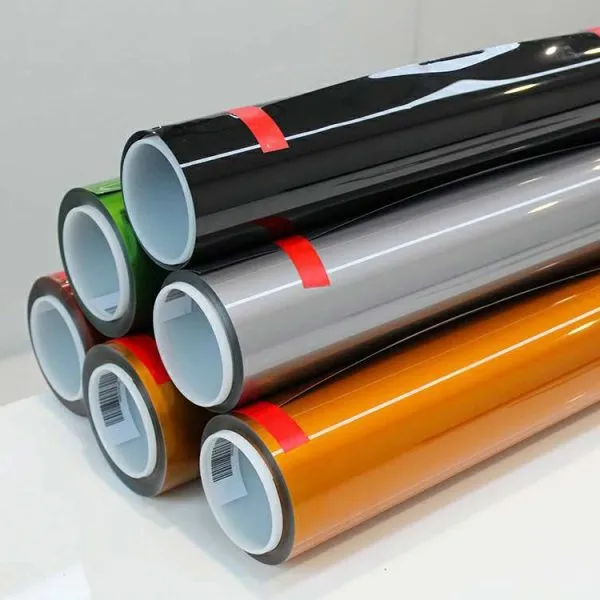
We used a cast vinyl wrap, which is the gold standard for long-term car wrapping. Cast vinyl is made by pouring liquid vinyl into a casting sheet, resulting in a thin, flexible material with superior adhesive properties. Unlike calendered vinyl (a cheaper, thicker material made by rolling vinyl), cast vinyl’s adhesive is designed to remain stable over time—even in extreme weather. It doesn’t harden or break down, which means it stays bonded to the wrap (not the paint) when removed.
2. Proper Surface Preparation Before Installation
A wrap can only perform well if the car’s surface is clean and smooth. Before installing the wrap, the installer thoroughly cleaned the paint with a degreaser and clay bar to remove wax, oil, dirt, and contaminants. Any debris under the wrap can cause bubbling or uneven adhesion, which can lead to residue when removed. Proper preparation ensures the wrap adheres evenly and the adhesive doesn’t react with the paint.
3. Professional Installation
DIY wrapping might save money upfront, but improper installation (like stretching the wrap too much, using excessive heat, or leaving air bubbles) can damage the paint or cause the adhesive to fail over time. Professional installers have the tools and expertise to apply the wrap smoothly, without damaging the original paint. They also use the right techniques to ensure the adhesive bonds correctly, making removal easier later.
Key Tips for Residue-Free Vinyl Wrap Removal (Even After Years)
If you have a color change vinyl wrap and plan to remove it after long-term use, follow these tips to avoid residue and paint damage:
Choose Cast Vinyl from Reputable Brands: Skip cheap calendered vinyl—invest in brands like 3M, Avery Dennison, or VViViD cast vinyl. These products are designed for long-term use (5-7 years) and guaranteed to be residue-free when removed properly.
Use Warmth (Not Heat Guns): Let the car sit in the sun for 30-60 minutes before removal, or use a hair dryer on low heat (keep it 6-8 inches away from the wrap) to soften the adhesive. Avoid high-heat tools, which can melt the adhesive or damage the paint.
Pull at a 45-Degree Angle: Never pull the wrap straight up (90 degrees)—this puts too much stress on the adhesive and can leave residue. Pulling at a 45-degree angle keeps the adhesive bonded to the wrap.
Peel in Large Sections (When Possible): Large, continuous pieces mean less chance of tearing the wrap (tearing can leave small adhesive bits behind). For tight curves, peel in 6-12 inch sections.
Clean with Isopropyl Alcohol (70%): If you do encounter minor residue (unlikely with high-quality wrap), wipe it down with a microfiber cloth and 70% isopropyl alcohol. Avoid harsh chemicals like acetone, which can damage paint.
Don’t Rush: Take your time—rushing can lead to tearing or scratching. A 4-door car wrap should take 2-3 hours to remove properly.
Common Myths About Vinyl Wrap Removal Debunked
There are many misconceptions about color change vinyl wraps and residue. Let’s set the record straight:
Myth 1: “All Vinyl Wraps Leave Residue After a Year or More”
Fact: Only low-quality calendered vinyl or poorly installed wraps are likely to leave residue. High-quality cast vinyl wraps, when installed correctly, will not leave residue—even after 5+ years.
Myth 2: “Removing a Wrap Damages the Original Paint”
Fact: A properly installed wrap actually protects the original paint from sun damage, rock chips, and scratches. When removed correctly, it won’t damage the paint. If paint comes off with the wrap, it’s likely because the paint was already peeling or damaged before the wrap was installed.
Myth 3: “You Need Professional Help to Remove a Wrap”
Fact: While professionals can do it quickly, DIY removal is possible with the right tools (plastic trim tool, microfiber cloths, isopropyl alcohol) and patience. Just follow the tips above to avoid mistakes.
Conclusion: Invest in Quality for Residue-Free Peace of Mind
Our 3-year color change vinyl wrap removal test proves that high-quality cast vinyl wraps, installed properly, leave no residue and don’t damage the original paint—even after years of daily use and exposure to harsh weather. The key is to avoid cheap materials and DIY installation shortcuts. If you’re considering a wrap, prioritize reputable brands and professional installers. When it’s time to remove the wrap, take your time, use the right techniques, and you’ll have a clean, original finish.
If you have more questions about color change vinyl wraps—from installation to removal—feel free to leave a comment below. We’re here to help you make the best decision for your car.
Entre em contato comigo
A WooMagicar atende mais de 300 concessionárias 4S e revendedores regionais, oferecendo fornecimento direto da fábrica, descontos para compras em grande quantidade, testes de amostras grátis, seleção de produtos personalizada e cooperação regional exclusiva. Entre em contato comigo a qualquer momento para informações sobre prazos de entrega, termos de garantia ou parcerias offline.

 English
  العربية
  Русский
  Português