1. What Is DIY Car Window Tinting?
DIY window tinting means purchasing an all-in-one tint film kit and installing the window film on your car without professional help. Most DIY kits include pre-cut tint sheets, basic squeegees, cleaning solution, and installation instructions. These kits are widely available on Amazon, auto parts stores, and local automotive shops.
1.1 Core Benefits of DIY Window Tinting
-
Low Upfront Cost: Standard DIY tint kits typically cost between $30 and $100, far cheaper than professional labor fees. Budget-friendly carbon or dyed film kits are perfect for cost-sensitive drivers.
-
Unmatched Flexibility: You can start and pause the installation anytime at home, with no need to book appointments or travel to tint shops. It suits casual car enthusiasts with flexible schedules.
-
Hands-On Learning Experience: Installing tint by yourself helps you understand car exterior modification basics. Finishing the project brings a strong sense of accomplishment.
-
Easy Accessible Materials: Pre-cut DIY films fit most mainstream car models, eliminating complicated manual cutting for beginners.
1.2 Major Drawbacks of DIY Tint Installation
-
Steep Learning Curve: Window tinting requires precise alignment, bubble removal, and dust-free application. Beginners often struggle with uneven edges, trapped air bubbles, and tiny dust particles under the film.
-
Low-Quality Tools & Films: Most affordable DIY kits contain basic squeegees and low-grade dyed film. These materials easily fade, peel, or turn purple within 1–2 years.
-
Time-Consuming Process: A full-car DIY tint job usually takes 4–8 hours. Rear defroster lines and curved windows are extremely challenging for inexperienced users.
-
No Professional Warranty: DIY tint kits rarely offer long-term warranties. Any installation mistakes mean you have to buy new film and redo the work at your own cost.
-
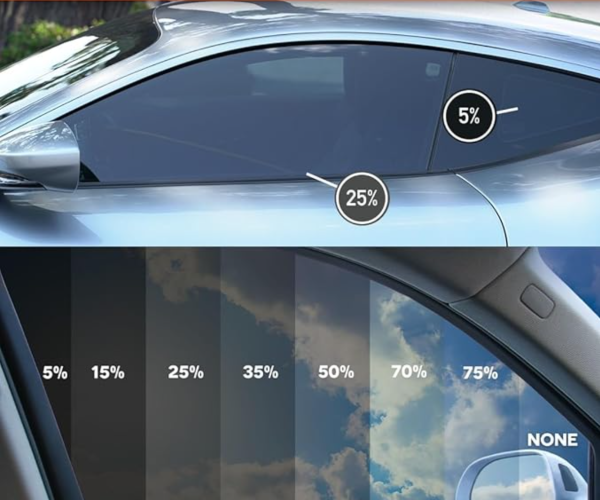
Legal Compliance Risks: Beginners often ignore local VLT (Visible Light Transmission) laws, leading to illegal tint darkness and potential traffic fines.
2. What Does Professional Window Tinting Include?
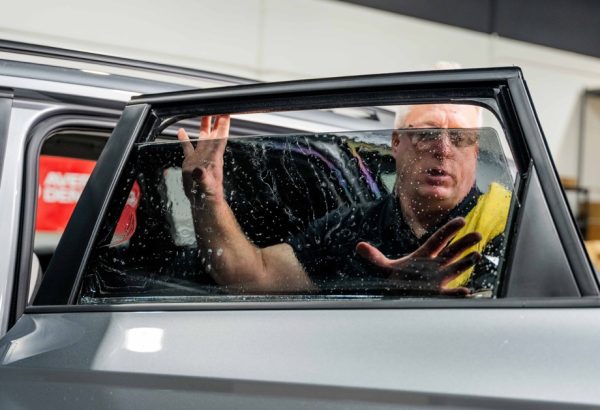
Professional window tinting refers to certified technicians installing high-grade tint films in dedicated automotive tint shops. Professionals use industrial tools, dust-controlled workshops, and precise cutting machines to ensure perfect installation quality.
2.1 Key Advantages of Professional Tinting
-
Flawless Finish: Experienced installers avoid bubbles, wrinkles, dust contamination, and uneven trimming. The finished tint looks smooth and factory-made.
-
Premium Film Options: Shops provide ceramic, carbon, and metallic tint films with superior heat rejection, UV blocking, and color stability. High-end films can last 5–10 years.
-
Strict Legal Compliance: Professionals are familiar with local tint laws. They recommend legal VLT percentages to prevent tickets or mandatory tint removal.
-
Official Long-Term Warranty: Reputable tint brands offer manufacturer warranties covering fading, peeling, bubbling, and cracking. Many shops provide free maintenance services.
-
Time-Saving Service: A standard full-car professional tint takes only 2–4 hours, with no effort required from car owners.
2.2 Disadvantages of Professional Tint Installation
-
Higher Overall Cost: Professional tinting ranges from $200 for basic dyed film to $600+ for premium ceramic tint. Labor fees account for over half of the total expense.
-
Booking & Waiting Time: Popular tint shops have busy schedules. You may need to book an appointment and wait for service slots.
-
Location Limitations: High-quality certified tint shops are scarce in remote areas, increasing travel inconvenience.
![]()
3. Direct Comparison: DIY vs Professional Window Tinting
|
Comparison Factor
|
DIY Window Tinting
|
Professional Window Tinting
|
|
Price Range
|
$30 – $100
|
$200 – $600+
|
|
Installation Time
|
4 – 8 hours (self-install)
|
2 – 4 hours (technician)
|
|
Finish Quality
|
Risk of bubbles, dust, wrinkles
|
Bubble-free, smooth, precise edges
|
|
Film Lifespan
|
1 – 2 years (easy to fade)
|
5 – 10 years (stable performance)
|
|
Garantia
|
Almost no valid warranty
|
3 – 10 years official warranty
|
|
Difficulty Level
|
High (not beginner-friendly)
|
Zero effort for car owners
|
|
Legal Safety
|
High risk of illegal VLT
|
100% local law compliant
|
4. Who Should Choose DIY Window Tinting?
DIY tinting is an ideal option for specific groups of car owners. Choose DIY if you fit the following criteria:
-
You are on a tight budget and only need temporary tint for daily use.
-
You are a car modification beginner who wants to practice basic installation skills.
-
You own an old vehicle and do not pursue long-term tint durability.
-
You have a clean indoor garage and enough patience to handle installation errors.
5. Who Should Choose Professional Window Tinting?
Professional tinting is worth the investment for most daily drivers. Stick to professional services in these situations:
-
You own a new car, luxury vehicle, or leased car requiring high-quality finishes.
-
You prioritize heat insulation, UV protection, and long-term durability.
-
You have no installation experience and want to avoid irreversible tint damage.
-
You need legal-compliant tint to avoid traffic penalties.
-
You prefer warranty coverage for future maintenance.
6. Critical Tips for DIY Window Tinting Beginners
If you decide to install tint by yourself, follow these actionable tips to minimize common mistakes:
-
Prepare a Dust-Free Space: Install tint indoors in a closed garage. Avoid windy outdoor environments where dust sticks to wet film.
-
Check Local Tint Laws: Confirm legal VLT limits for front, rear, and side windows before purchasing tint film.
-
Use Extra Tools: Upgrade basic kits with heat guns, microfiber towels, and sharp cutting blades for better trimming.
-
Take It Slow: Never rush squeegee movements. Push water and air bubbles out gradually to prevent wrinkles.
-
Avoid Early Cleaning: Do not roll down windows or clean the tint within 3–7 days after installation for complete curing.
7. Final Verdict: Is DIY Window Tint Worth It?
DIY window tinting is cheap but risky. It works for hobbyists, temporary use, and old vehicles, yet most beginners end up with bubbly, uneven tint that requires rework. Hidden costs like replacement film and extra tools often narrow the initial price gap.
Professional tinting is the smarter long-term investment. Despite higher upfront fees, it delivers durable, legal, and flawless results with reliable warranties. For daily-driven cars, professional installation saves time and avoids unnecessary troubles.
FAQs About DIY vs Professional Window Tinting
Q1: Is it hard to tint car windows by yourself?
Yes. Window tinting is a precision skill. Dust control, film alignment, and bubble removal are challenging for beginners. Most first-time DIY jobs have visible imperfections.
Q2: How long does DIY window tint last?
Low-cost DIY dyed film usually lasts 1–2 years, while premium DIY carbon film can last up to 3 years. Professional ceramic tint can maintain perfect condition for over 5 years.
Q3: Can I remove DIY tint and reapply professional tint?
Yes, but DIY tint often leaves adhesive residue on windows. Extra removal fees are required for professional shops to clean the glass before new installation.
Q4: Does window tint affect car insurance?
Legal-compliant tint has no negative impact on insurance. Illegal dark tint may void glass damage insurance claims in some regions.
Conclusão
To sum up, you can absolutely install car window tint by yourself, but DIY tinting trades quality, durability, and convenience for a lower price. Professional window tinting guarantees a clean finish, legal compliance, and long service life. If you pursue cost savings and enjoy hands-on projects, choose DIY kits. If you want hassle-free, high-performance tint for your valuable car, professional installation is undeniably the better choice.

 English
  العربية
  Русский
  Português