When it comes to car window tinting, one of the most common concerns is whether the windows need to be removed. The short answer: No, professional installers do not remove car windows during tinting. However, understanding the full process helps you choose a reliable service and avoid costly mistakes.
Do You Need to Remove Car Windows?
In standard automotive tinting, glass removal is unnecessary. Skilled technicians apply the film directly to the inside surface of the windows using specialized tools and techniques.
Removing windows would:
Increase labor time and cost
Risk damaging seals or electronics
Be unnecessary for proper film application
Only in rare cases—such as heavily modified vehicles or damaged seals—might partial disassembly be considered, but even then, full window removal is not standard practice.
—
Professional Car Window Tinting Process
Here’s how a high-quality installation typically works:
1. Pre-Installation Inspection
The installer checks:
Glass condition (scratches, chips)
Existing tint removal needs
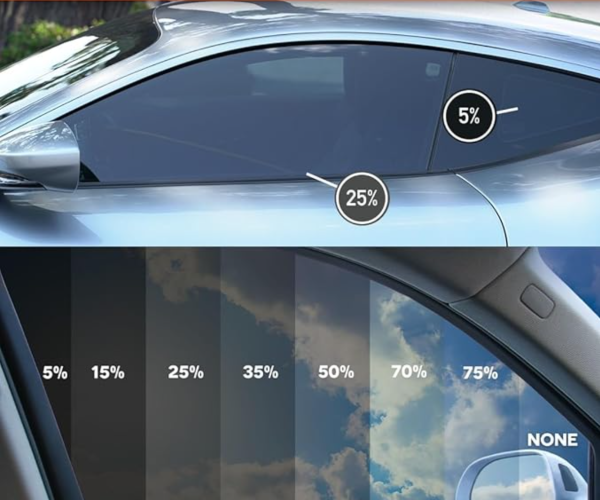
Legal tint limits in your region
This step ensures compatibility and compliance.
—
2. Deep Cleaning of Windows
Cleanliness is critical. Installers use:
Alcohol-based solutions
Lint-free cloths
Clay bars (if needed)
Any dust or oil can cause bubbles or peeling later.
—
3. Film Cutting & Heat Shaping
The tint film is:
Measured and cut precisely (often via plotter or hand-cutting)
Heat-shrunk on the exterior of the glass to match curvature
This step ensures a seamless fit, especially for curved rear windows.
—
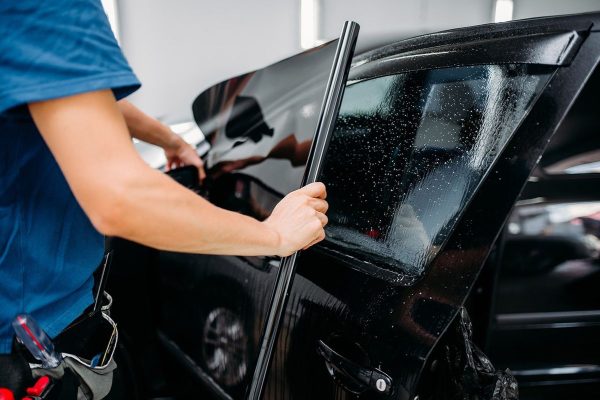
4. Interior Application
The film is applied inside the vehicle, not outside.
Steps include:
Spraying a slip solution
Positioning the film
Using a squeegee to remove water and air
No window removal is required—just careful handling.
![]()
—
5. Edge Finishing
Installers tuck the film neatly into window edges using fine tools.
In some cases, door panels may be slightly loosened to achieve a cleaner finish—but again, not full disassembly.
—
6. Final Inspection & Drying
After installation:
The film is checked for bubbles or imperfections
Drying time is explained (usually 2–7 days depending on climate)
—
When Might Partial Disassembly Be Needed?
While rare, minor disassembly may happen:
Frameless windows (for precision edge alignment)
Luxury vehicles with tight seals
High-end installations aiming for “factory finish”
Even then, it’s limited to trim or seals—not the glass itself.
—
Risks of Unprofessional Installation
Choosing a low-quality installer can lead to:
Dust particles trapped under film
Visible bubbles and creases
Peeling edges within weeks
Damage to window electronics or seals
That’s why proper technique matters more than shortcuts like removing glass.
—
Pro Tips for Best Results
Choose experienced installers with clean workshops
Avoid extremely cheap tint offers
Ask about film type (ceramic, nano-ceramic, etc.)
Follow aftercare instructions strictly
—
Conclusion
You do NOT need to remove car windows for tinting. Professional installers rely on precision, cleanliness, and technique—not disassembly—to achieve a flawless result.
If a shop insists on removing your windows for standard tinting, that’s usually a red flag. Stick with proven processes to protect both your vehicle and your investment.

 English
  العربية
  Русский
  Português