When you’re driving or living in a hot climate, window tint isn’t just about looks—it’s about comfort, protection, and efficiency. The right film can significantly reduce interior heat, block harmful UV rays, and even improve fuel efficiency by easing the load on your air conditioning.
In this 2026 guide, we’ll break down the best heat-blocking window tint types, how they work, and how to choose the right one for extreme temperatures.
—
Why Window Tint Matters in Hot Climates
In regions with intense sunlight, your vehicle or building can quickly turn into an oven. High-quality window tint helps by:
Blocking infrared (IR) heat – the main source of solar heat gain
Rejecting UV rays (up to 99%) – protects skin and interior materials
Reducing glare – safer driving and better visibility
Improving energy efficiency – less reliance on AC
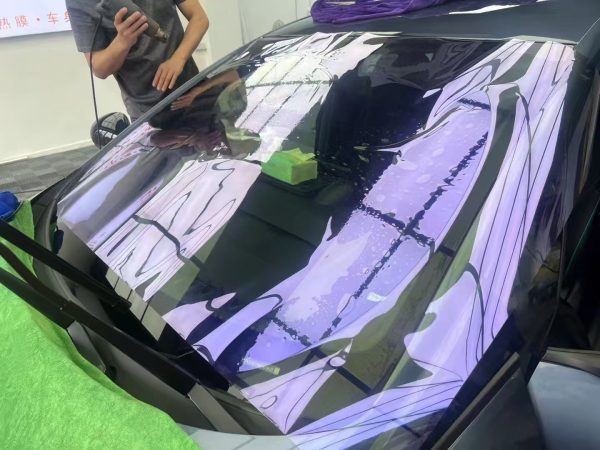
—
Key Metrics to Look For
Before choosing a film, understand these important performance indicators:
1. Total Solar Energy Rejected (TSER)
Measures how much solar energy is blocked
Higher TSER = better overall heat rejection
2. Infrared Rejection (IRR)
Focuses on heat-causing infrared rays
Premium films can block 80–95%+ IR
3. Visible Light Transmission (VLT)
Percentage of visible light allowed through
Lower VLT = darker tint (check local laws)
4. UV Rejection
Aim for 99% UV protection (standard in quality films)
—
Best Window Tint Types for Heat Blocking (2026)
1. Nano Ceramic Window Film (Best Overall)
Why it’s the top choice: Nano ceramic films use advanced non-metallic particles to block heat without interfering with signals.
Key Benefits:
Excellent IR rejection (up to 95%)
No signal interference (GPS, mobile, radio)
High clarity, even at lighter shades
Long lifespan and color stability
Best for:
Extreme heat regions (Middle East, Southeast Asia, Australia)
Premium vehicles and daily drivers
![]()
—
2. Spectrally Selective Film (Best for Clear Visibility)
This advanced film filters heat without significantly darkening the glass.
Key Benefits:
High heat rejection with high VLT
Ideal for windshields or legal compliance
Maintains natural visibility
Best for:
Drivers needing maximum clarity + heat protection
—
3. Carbon Window Film (Best Mid-Range Option)
Carbon films offer solid performance without the high price of ceramic.
Key Benefits:
Good heat rejection
No fading (unlike dyed films)
Matte finish appearance
Limitations:
Lower IR rejection than ceramic
Best for:
Budget-conscious buyers wanting reliable performance
—
4. Metalized Window Film (High Reflectivity, But With Trade-offs)
Uses metallic particles to reflect heat away.
Key Benefits:
Strong heat and glare reduction
Durable
Drawbacks:
Can interfere with electronic signals
Reflective appearance may not suit all users
—
5. Dyed Window Film (Entry-Level Only)
Not recommended for hot climates unless budget is very tight.
Why:
Minimal heat rejection
Fades over time
Primarily cosmetic
—
Best Tint Choices by Use Case
🚗 Daily Driving in Hot Cities
Go for nano ceramic tint
Balance between visibility and heat rejection (e.g., 30–50% VLT)
🌞 Extreme Heat / Long Parking Exposure
Choose high IR rejection ceramic film
Consider lighter shades with strong performance
🛣️ Windshield Tinting
Use spectrally selective or clear ceramic film
Stay within legal VLT limits
💰 Budget Setup
Carbon film is the sweet spot
Avoid dyed films for long-term use
—
Installation Tips for Maximum Performance
Professional installation is critical – poor application reduces effectiveness
Apply tint to all windows, not just side glass
Allow proper curing time (3–7 days) before rolling windows down
Combine with sunshades for extreme conditions
—
Legal Considerations (Important)
Each country or region has regulations on:
Minimum VLT for front and rear windows
Reflectivity limits
Windshield tint restrictions
Always check local laws before installation to avoid fines or removal.
—
Final Verdict: What’s the Best Tint in 2026?
If you want the best performance in hot climates:
👉 Nano Ceramic Window Film is the clear winner
It offers:
Superior heat rejection
Long-term durability
No signal interference
Clean, modern appearance

 English
  العربية
  Русский
  Português