
Best Paint Protection Film (PPF) Types: TPU vs TPH vs PVC Guide 2026
Your car’s color might not have been the top reason you purchased it, but a flawless paint job boosts confidence every time you get behind the wheel. Over time, new car shine fades—scratches, stains, and environmental damage chip away at your vehicle’s exterior. The solution? Polyurethane paint protection film (PPF)—the most reliable way to protect and extend your car’s paint life long-term.
Unlike ceramic coatings, liquid glass, or car wax, high-quality PPF withstands significant mechanical impact without leaving permanent paint damage. But with so many PPF options on the market, choosing the right type can be overwhelming. In this guide, we break down the three most popular paint protection film types—TPU, TPH, and PVC—to help you make an informed decision for your vehicle.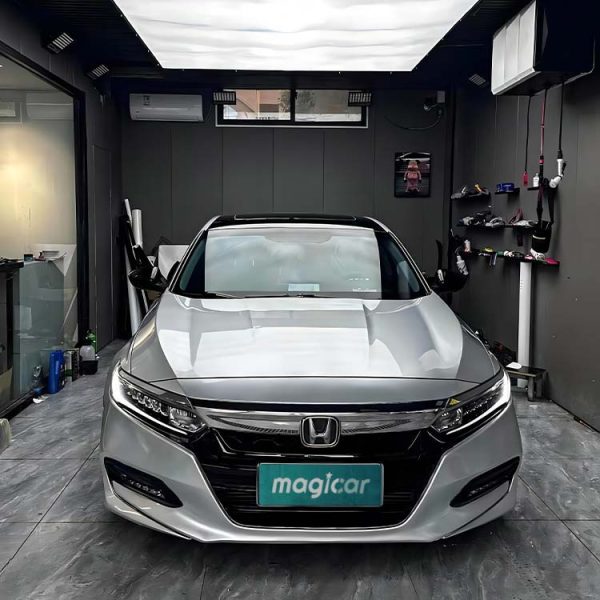
What Is Paint Protection Film (PPF)?
Paint protection film (PPF) is a premium thermoplastic polyurethane film designed to shield your car’s original paint from scratches, rock chips, UV rays, bird droppings, tree sap, and other common contaminants. Originally developed for military use, PPF has become a staple in the automotive industry for its unbeatable protection.
Applied by professionals to your car’s exterior (often high-impact areas like the hood, bumper, and door edges), PPF is available in transparent or colored options. Its key benefit? It preserves your car’s resale value by keeping the factory paint in mint condition. While DIY PPF kits exist, professional installation is recommended—proper application matters more than the brand itself.
PPF’s durability comes from its elastic polymer composition, which allows it to stretch and retain its shape without cracking. This flexibility also makes it easy to apply (when done by experts) and remove without damaging your car’s paint.
TPU vs TPH vs PVC: Compare the Top 3 PPF Types
TPU, TPH, and PVC are the three most common PPF materials on the market. Each has unique properties, advantages, and drawbacks—we’ll break down their differences to help you choose the best PPF for your car.
1. TPU Polyurethane Film (Best Overall PPF)
TPU (Thermoplastic Polyurethane) is the gold standard of paint protection film—often called the “next-generation” PPF. It solves all the limitations of PVC film and is the top choice for car owners who want long-lasting protection.
Key benefits of TPU PPF:
-
Superior flexibility & durability: TPU’s chemical structure (unlike rigid PVC) makes it highly elastic. It maintains its shape even when stretched, resisting cracks, tears, and discoloration for years.
-
Easy installation & removal: No heat guns or harsh tools are needed for application (reducing paint damage risk). When it’s time to remove TPU film, it peels off cleanly without leaving residue or damaging factory paint.
-
UV & contaminant resistance: TPU blocks harmful UV rays that fade paint and repels bird droppings, tree sap, and road grime—keeping your car’s shine intact.
-
Self-healing properties: Many TPU films have a clear coat that “heals” minor scratches when exposed to heat (like sunlight or a hair dryer), maintaining a flawless finish.
Ideal for: New cars, luxury vehicles, or anyone wanting 5-10 years of paint protection (depending on the film quality).
2. Polyvinyl Chloride (PVC) Film (Budget PPF Option)
PVC (Polyvinyl Chloride) is the original “first-generation” PPF. It’s one of the earliest and most widely used automotive protection films—known for its affordability, but with significant limitations.
Key features of PVC PPF:
-
Low cost: PVC is the cheapest PPF option, making it popular for car owners on a tight budget.
-
Basic protection: It offers minimal defense against light scratches and contaminants but fails to withstand heavy impact (like rock chips) or long-term exposure to the elements.
-
Rigid structure: PVC is stiff, making professional installation more difficult (it requires heat guns to mold to curves, increasing paint damage risk).
-
Short lifespan: PVC hardens within 1-3 years (depending on climate and usage) and loses elasticity/color over time. Removing old PVC film is challenging—it can crack, leave residue, or even peel off factory paint.
Ideal for: Older cars, temporary protection (1-2 years), or anyone needing basic coverage without a long-term investment.
3. TPH Hybrid Film (Mid-Range PPF)
TPH (Thermoplastic Polyolefin Hybrid) is a PVC-based polymer that balances affordability and performance. It’s more economical than TPU and offers better protection than standard PVC—making it a popular mid-range option.
Key benefits of TPH PPF:
-
Improved flexibility vs. PVC: TPH uses advanced technology to enhance PVC’s flexibility and chemical properties, making it less rigid than traditional PVC. It’s easier to install and less prone to fading.
-
Budget-friendly alternative to TPU: TPH costs 30-50% less than TPU while offering better durability than PVC.
-
Decent lifespan: TPH lasts 2-5 years (longer than PVC but shorter than TPU), making it a good choice for car owners who want more protection than PVC but don’t want to spend on TPU.
Limitations: TPH still can’t match TPU’s overall flexibility, strength, or self-healing properties. It may harden over time (though slower than PVC) and is harder to remove than TPU.
Ideal for: Car owners looking for mid-range protection (2-5 years) at a lower cost than TPU.
TPU vs TPH vs PVC: Quick Comparison Table
|
PPF Type
|
Flexibility
|
Lifespan
|
Installation Difficulty
|
Removal Ease
|
Price Range
|
|---|---|---|---|---|---|
|
TPU
|
Excellent (Elastic)
|
5-10 Years
|
Low (No Heat Needed)
|
Easy (No Residue)
|
High (Premium)
|
|
TPH
|
Good (Improved PVC)
|
2-5 Years
|
Medium
|
Moderate
|
Mid-Range
|
|
PVC
|
Poor (Rigid)
|
1-3 Years
|
High (Requires Heat)
|
Difficult (May Damage Paint)
|
Low (Budget)
|
Which PPF Should You Choose?
The best paint protection film for you depends on your budget, vehicle age, and how long you want protection:
-
Choose TPU PPF if you have a new/luxury car, want 5+ years of protection, and prioritize preserving resale value. It’s the most durable, flexible, and user-friendly option.
-
Choose TPH PPF if you want a balance of cost and performance. It’s perfect for daily drivers that need 2-5 years of protection without the premium price tag.
-
Choose PVC PPF only if you’re on a strict budget and need temporary protection (1-2 years). Avoid it for new cars—its short lifespan and removal risks can damage factory paint.
Final Tips for PPF Success
No matter which PPF type you choose, follow these tips to maximize protection:
-
Hire a professional installer: Proper application is critical—DIY kits often lead to bubbles, wrinkles, or paint damage. Look for installers with experience in your PPF type (especially TPU).
-
Clean your car first: PPF should be applied to a spotless, dry surface to avoid trapped dirt or debris.
-
Maintain your PPF: Wash your car regularly with mild soap (avoid harsh chemicals) to keep the film clean and extend its lifespan.
Investing in quality PPF is one of the best ways to keep your car looking new for years. Whether you choose TPU, TPH, or PVC, the right film will protect your paint, boost your confidence, and preserve your vehicle’s value.
FAQs (Frequently Asked Questions)
Q: Is PPF better than ceramic coating?
A: Yes—PPF offers physical protection against scratches, rock chips, and impact, while ceramic coatings only provide a chemical barrier against contaminants. PPF is more durable and better for preserving factory paint long-term.
Q: Can PPF be removed without damaging paint?
A: Yes—TPU and TPH films (when professionally installed) peel off cleanly. PVC films are harder to remove and may damage paint if left on for too long.
 English
  العربية
  Русский
  Português