Edge Lifting Is About Skill, Not Just the Film
Paint Protection Film does not peel easily when installed correctly.
With professional installation and advanced materials like Magicar PPF, edge lifting can be effectively avoided.
Remember:
30% depends on the film, 70% depends on the installation.
Choosing the right installer—and the right PPF—makes all the difference.
Will Paint Protection Film Peel at the Edges? How Installation Quality Really Affects PPF Performance
One of the most common questions car owners ask before installing Paint Protection Film (PPF) is:
Will PPF peel or lift at the edges over time?
The short answer is: PPF itself is not the problem.
In most cases, edge lifting is caused by improper installation techniques, not the film material. In this article, we explain the real reasons behind PPF edge lifting and how professional installation—combined with high-quality film like Magicar PPF—prevents it.
Why Does Paint Protection Film Lift at the Edges?
Edge lifting usually appears in high-stress areas, such as:
Door edges
Hood and trunk leading edges
Side mirrors
Bumpers and complex curved panels
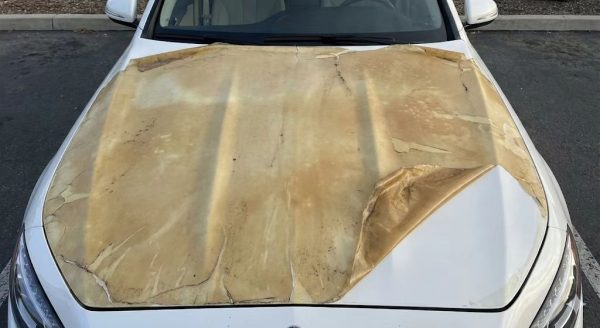
These areas require precise handling. If the installer lacks experience or cuts corners, edge lifting may occur weeks or months after installation.
Installation Quality Is the Key Factor
The same PPF can perform very differently depending on how it is installed.
Proper Edge Wrapping Makes a Huge Difference
Professional installers wrap the film edges inward whenever possible, rather than stopping right at the panel edge.
This technique:
Reduces exposure to wind, water, and dirt
Prevents peeling during car washes
Creates a cleaner, more OEM-like finish
Precision Cutting Instead of Manual Blade Cutting
Poor installation often involves cutting directly on the vehicle surface, which can result in uneven edges and long-term lifting risks.
Professional PPF installation uses:
Pre-cut pattern systems
Or off-vehicle cutting methods
This ensures smooth edges and long-lasting adhesion.
Controlled Heat and Stretching
PPF installation requires careful heat control, especially on curved surfaces.
Under-heating may cause the film to shrink back
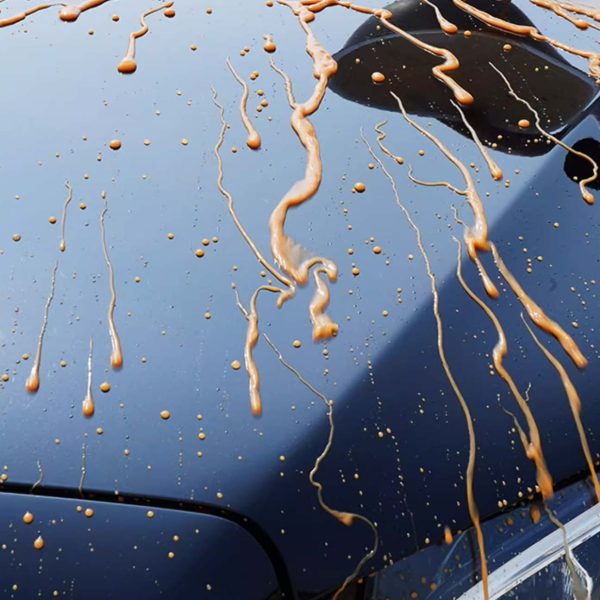
Over-stretching can lead to tension release and edge lifting
![]()
This is where Magicar PPF’s high elongation performance becomes a major advantage.
How Magicar PPF Helps Prevent Edge Lifting
Magicar Paint Protection Film is engineered with high elongation TPU material, allowing the film to:
Stretch smoothly around complex curves
Conform naturally without excessive tension
Maintain stable adhesion even after thermal expansion and contraction
High elongation means the film adapts to the vehicle’s shape without fighting back, which significantly reduces the risk of edge lifting over time.
Installation Environment Also Matters
Even the best PPF will struggle in poor conditions. Professional installation should be done in:
A clean, dust-free environment
Controlled temperature and humidity
Proper surface preparation with full degreasing
These factors directly affect adhesive bonding during the critical first 48 hours.
Is Film Quality Important? Yes—but It’s Not Everything
Material quality still plays a role:
Adhesive stability
Low shrinkage rate
Uniform thickness
However, industry data shows that over 70% of edge lifting cases are caused by installation errors rather than film defects.
How to Avoid PPF Edge Lifting: Practical Tips for Car Owners
If you want your PPF to last for years without peeling:
Choose an installer with proven PPF experience
Ask about edge wrapping and pre-cut patterns
Avoid washing the car or driving at high speed for 48 hours after installation
Pair professional installation with high-elongation PPF like Magicar
Conclusion: Edge Lifting Is About Skill, Not Just the Film
Paint Protection Film does not peel easily when installed correctly.
With professional installation and advanced materials like Magicar PPF, edge lifting can be effectively avoided.
Remember:
30% depends on the film, 70% depends on the installation.
Choosing the right installer—and the right PPF—makes all the difference.

 English
  العربية
  Русский
  Português