Should Luxury Cars and EVs Be the Priority?
As vehicle prices continue to rise, more car owners are investing in Paint Protection Film (PPF) to preserve their vehicle’s exterior.
A common question many buyers ask is:
👉 Is PPF only necessary for luxury cars? And do electric vehicles need it even more?
The answer is broader than you might expect.
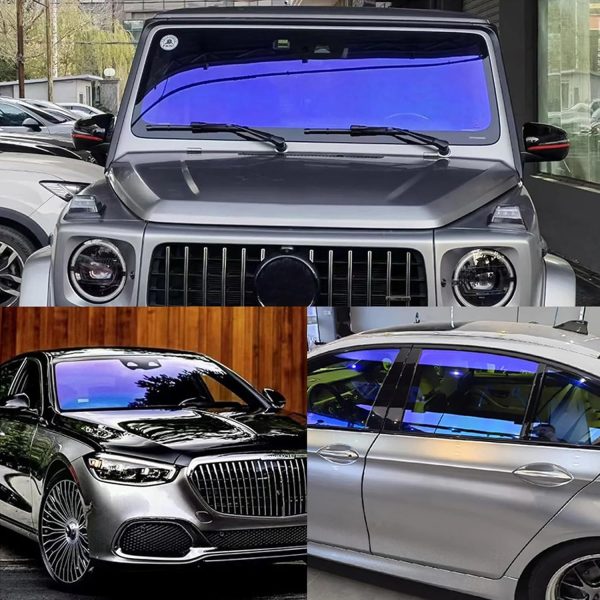
—
1. Luxury Cars: The Most Cost-Effective to Protect
For luxury and high-performance vehicles, applying paint protection film is no longer a luxury—it’s a smart preventive measure.
Why luxury cars benefit most from PPF:
Factory paint is expensive and difficult to restore perfectly
Metallic, pearl, or custom colors are prone to visible color mismatch after repainting
Resale value is highly dependent on original paint condition
Brands such as Mercedes-Benz, BMW, Porsche, Land Rover, and Lexus lose value quickly if scratches, swirl marks, or stone chips appear.
Compared to repeated repainting, high-quality PPF offers long-term savings and peace of mind.
—
2. Electric Vehicles (EVs): Often Even More in Need of PPF
Surprisingly, electric vehicles are among the best candidates for paint protection film.
Here’s why:
1. Softer, eco-friendly paint
Many EV manufacturers use water-based paints to meet environmental regulations, which are more prone to micro-scratches.
2. Complex body design
Smooth front ends, flush panels, piano-black trims, and hidden door handles make even minor damage highly noticeable.
3. High-frequency daily use
EVs are commonly used for urban commuting and frequent charging, increasing exposure to parking scratches and road debris.
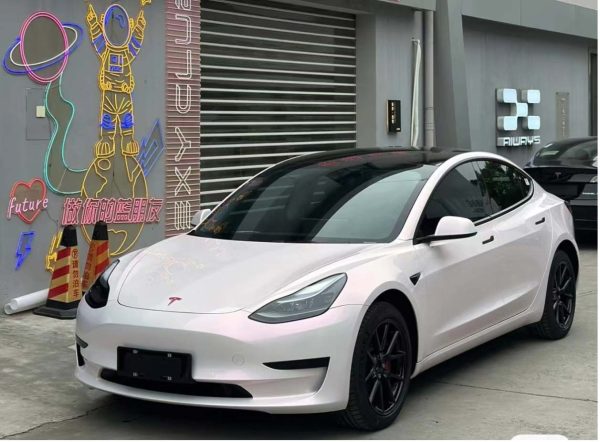
That’s why owners of Tesla, BYD, NIO, XPENG, Zeekr, and similar EV brands increasingly choose full or partial PPF installation right after delivery.
![]()
3. New Cars: The Best Time to Apply Paint Protection Film
From a cost-performance perspective, new vehicles are the ideal candidates for PPF.
Factory paint is in perfect condition
No heavy polishing required before installation
Maximum preservation of original paint value
Applying PPF early helps lock in the car’s “new look” and avoids higher preparation costs later.
—
4. Cars with High Daily Usage Also Benefit Greatly
PPF is not limited to luxury or electric cars. Vehicles that fit the following conditions are also excellent candidates:
Frequent highway driving (stone chips and debris)
Complex parking environments (street parking, malls, older buildings)
Dark-colored paint (black and deep colors show scratches easily)
Long-term ownership or planned resale
In these cases, paint protection film is less about appearance and more about reducing long-term ownership costs.
—
5. When Full PPF May Not Be Necessary
If a vehicle:
Has a lower overall value
Is used for a short ownership cycle
Has minimal cosmetic expectations
A partial PPF solution (front bumper, hood, mirrors) can still provide essential protection without full coverage.
—
6. Why Film Quality Matters More Than the Car Type
Regardless of vehicle category, the performance of paint protection film depends heavily on material quality.
Premium PPF solutions like Magicar Paint Protection Film are engineered with:
Lubrizol-based TPU substrate for superior elasticity and durability
Ashland adhesive for strong bonding without residue or paint damage
Advanced self-healing technology to remove light scratches with heat
Long-term resistance to yellowing, cracking, and delamination
With 5-year, 7-year, and up to 10-year warranty options, high-quality PPF ensures stable performance across different climates, including high-temperature regions such as the Middle East.
—
Conclusion: It’s Not About the Car—It’s About the Use Case
So, should luxury cars and EVs be the priority for paint protection film?
✔ Yes, they are often the highest priority
✔ But the real decision factors are:
How much you care about paint condition
How long you plan to keep the vehicle
Whether resale value matters to you
If your goal is to reduce repair costs, protect factory paint, and maintain long-term value, paint protection film is a smart investment—regardless of vehicle type.

 English
  العربية
  Русский
  Português