Paint protection film is not only suitable for cold climates—it is often more valuable in freezing environments than in mild ones.
The key factors are:
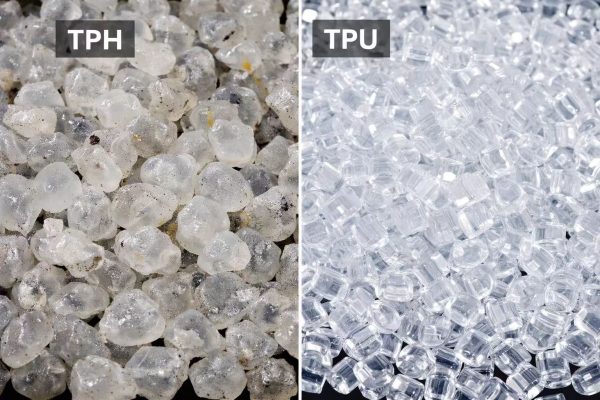
Material quality (TPU over TPH or PVC)
Cold-resistant adhesive performance
Professional installation under controlled conditions
When these requirements are met, paint protection film provides reliable, long-term protection even in the harshest winter conditions.
Low-Temperature Performance Explained
In cold regions such as Northern Europe, Russia, Canada, and the northern United States, car owners often ask an important question:
Is paint protection film (PPF) suitable for extreme cold weather?
Will it crack, lose adhesion, or become brittle in low temperatures?
The short answer is: yes, paint protection film is suitable for cold climates—if the right material and installation standards are used.
This article explains how PPF performs in low-temperature environments and what factors truly matter.
—
1. Challenges Vehicles Face in Cold Climates
Cold-weather regions create a unique set of risks for vehicle paintwork:
Low-temperature brittleness: Automotive clear coats harden in freezing conditions, making them more vulnerable to impact
Road salt and de-icing chemicals: Widely used in winter, these substances accelerate paint corrosion
Ice, gravel, and debris impact: Frozen roads often contain loose stones that damage paint at highway speeds
Frequent temperature fluctuations: Repeated freezing and thawing accelerate paint aging and micro-cracking
These factors explain why paint damage is often more severe in cold climates than in hot ones.
—
2. How Paint Protection Film Performs in Low Temperatures
Paint protection film acts as a physical barrier between the vehicle’s surface and external damage. However, its effectiveness in cold climates depends heavily on the material used.
TPU Paint Protection Film: Designed for Cold Environments
High-quality TPU (Thermoplastic Polyurethane) paint protection film is widely recognized for its low-temperature resilience:
Maintains flexibility even below -30°C
Resists cracking and edge lifting in freezing conditions
Absorbs impact from ice and road debris
Preserves adhesive stability during temperature changes
Allows self-healing of minor surface scratches once temperatures normalize
For this reason, TPU PPF is commonly used in northern and cold-weather markets.
![]()
—
Risks of Low-Grade Films in Cold Weather
Lower-quality films made from TPH or PVC materials often struggle in cold climates:
Increased stiffness and brittleness at low temperatures
Higher risk of surface cracking and film splitting
Adhesive failure leading to lifting or peeling
Greater chance of paint damage during removal
In freezing regions, these materials are generally considered unsuitable for long-term paint protection.
—
3. Installation Conditions Matter More in Cold Climates
Even premium paint protection film requires proper installation to perform well in cold weather.
Controlled Installation Temperature
Recommended installation range: 18°C–25°C
Installation should be performed in a heated, temperature-controlled facility
Adhesive Quality
Cold-resistant adhesives are critical for long-term bonding
High-quality adhesives remain stable despite thermal contraction and expansion
Post-Installation Curing
Vehicles should remain indoors for 48–72 hours after installation
Avoid washing, high-speed driving, or exposure to extreme cold during this period
Proper installation significantly reduces the risk of failure in winter conditions.
—
4. Benefits of Paint Protection Film in Cold Regions
When correctly selected and installed, paint protection film offers long-term advantages in cold climates:
Protects factory paint from stone chips and winter debris
Shields paint from road salt and chemical corrosion
Preserves exterior appearance over multiple winters
Helps maintain higher resale value over time
Allows removal without damage when high-quality materials are used
In many cold-weather regions, PPF is considered a practical investment rather than a cosmetic upgrade.
—
5. Final Thoughts
Paint protection film is not only suitable for cold climates—it is often more valuable in freezing environments than in mild ones.
The key factors are:
Material quality (TPU over TPH or PVC)
Cold-resistant adhesive performance
Professional installation under controlled conditions
When these requirements are met, paint protection film provides reliable, long-term protection even in the harshest winter conditions.

 English
  العربية
  Русский
  Português