—
1. What Is Privacy Window Film?
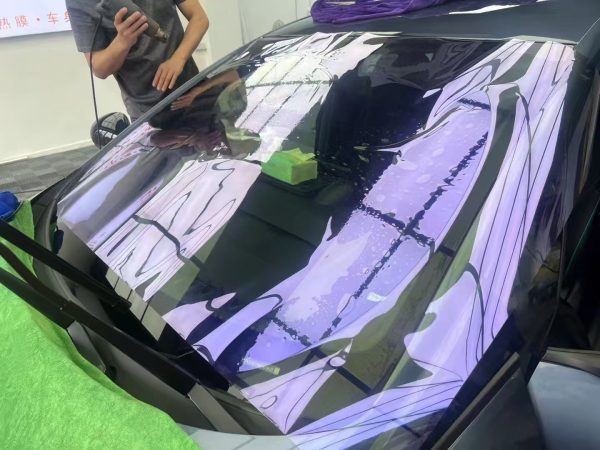
Privacy window film is designed to reduce the Visible Light Transmission (VLT), making it harder for outsiders to see into the vehicle while maintaining a clear view from the inside.
A high-quality privacy film should also offer:
High optical clarity (inside looking out)
UV rejection (protects skin and interior)
Infrared (IR) heat rejection
Low haze and low reflectivity
—
2. Key Parameters You Must Understand
1. Visible Light Transmission (VLT)
VLT determines how dark the film appears.
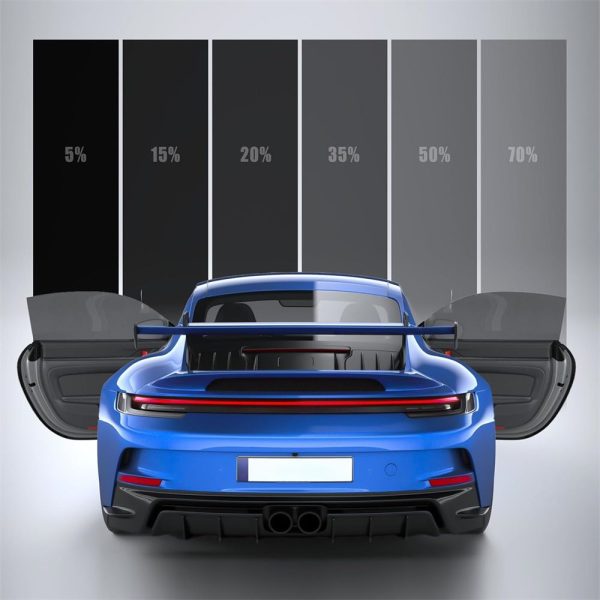
5% VLT – Maximum privacy (limo tint), very dark
15%–25% VLT – Strong privacy, still usable for daily driving
35%–50% VLT – Balanced option (recommended for most markets)
70%+ VLT – Almost clear, mainly for UV/heat protection
👉 Pro Tip:
For rear windows, you can go darker (5%–20%), while front windows should maintain higher VLT for safety and compliance.
—
2. Visible Light Reflectance (VLR)
This measures how reflective the film is.
High reflectivity = mirror effect (better privacy, less natural look)
Low reflectivity = more subtle, OEM-style appearance
For premium markets, low-reflective ceramic films are preferred.
—
3. Infrared Rejection (IR)
Infrared heat is the main cause of cabin temperature rise.
Look for 80%+ IR rejection
Nano-ceramic films outperform dyed or metallic films
—
4. Ultraviolet Rejection (UV)
A good film should block 99%+ UV rays, protecting:
Skin from damage
Interior from fading and cracking
—
3. How to Balance Privacy and Visibility
✔ Best Combination Strategy
Front windshield: 70%–80% VLT (legal + safe)
Front side windows: 35%–50% VLT (visibility + moderate privacy)
Rear side & back windows: 15%–25% VLT (strong privacy)
This combination ensures:
Safe night driving
Legal compliance in most regions
Effective privacy protection
![]()
—
4. Film Types: Which One Is Best?
Dyed Film
Cheapest option
Basic privacy only
Fades over time
Metalized Film
Better heat rejection
May interfere with GPS, radio, or mobile signals
Nano-Ceramic Film (Recommended)
High clarity + high privacy
No signal interference
Excellent heat rejection
Long lifespan (5–10 years+)
👉 For export markets, nano-ceramic privacy films are the most competitive option.
—
5. Regional Compliance Tips (Middle East & Europe)
Front windshield: Usually must be ≥70% VLT
Front side windows: Typically ≥50% VLT
Rear windows: More flexible (can be darker)
⚠️ Always confirm local regulations before installation to avoid fines.
—
6. Common Mistakes to Avoid
Choosing extremely dark film for front windows (unsafe at night)
Ignoring haze and clarity (cheap films reduce visibility)
Prioritizing privacy over driving safety
Using low-quality dyed films that fade quickly
—
7. Final Recommendation for Importers & Distributors
If you are targeting international markets:
Focus on 35%–50% VLT ceramic films for universal demand
Offer multi-VLT options for different window positions
Highlight IR/UV performance + long durability
Promote OEM appearance + low reflectivity
—
Заключение
The best privacy window film is not the darkest one—it’s the one that delivers a smart balance between privacy, visibility, safety, and compliance.
For modern consumers and global markets, nano-ceramic window film stands out as the ideal solution, combining advanced technology with premium performance.

 English
  العربية
  Русский
  Português