Как выбрать толщину защитной пленки для лакокрасочного покрытия (PPF): всегда ли больше мил лучше?
Академия / Пленка для защиты лакокрасочного покрытия автомобиля
For new car owners, “mil” is often the first technical term they encounter when shopping for Paint Protection Film (PPF). Salespeople frequently claim, “This 10-mil film offers superior protection compared to the 8-mil version.” While this sounds logical, is it actually true?
In the world of clear bras and PPF, thickness is not the sole metric of quality. This guide will break down the technical logic behind “mil” ratings and help you avoid common “thickness traps” when protecting your vehicle’s investment.
1. Deconstructing the “Mil”: What Makes Up PPF Thickness?
Before choosing a film, it is crucial to understand that Total Thickness \neq Protective Performance.
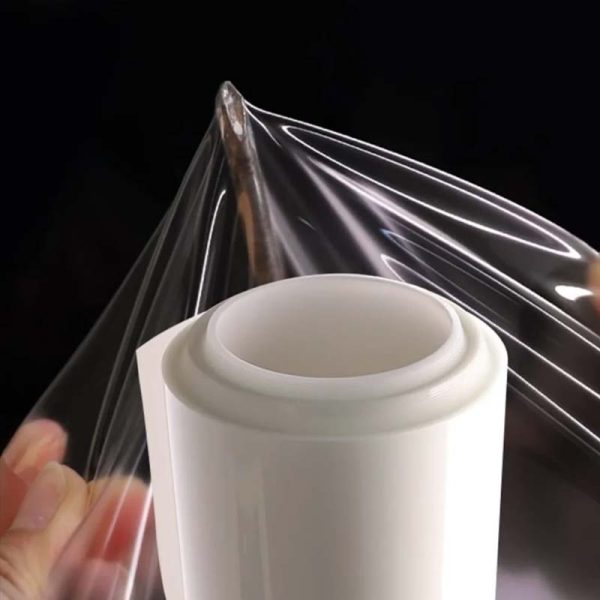
A standard, high-quality TPU (Thermoplastic Polyurethane) film typically consists of three distinct layers:
* Self-Healing Top Coat: Approx. 0.5 – 1 \text{ mil}. This layer handles stain resistance, anti-yellowing, and heat-activated scratch repair.
* TPU Core (Substrate): Approx. 6 – 8 \text{ mil}. This is the “muscle” of the film, providing impact resistance against road debris.
* Adhesive Layer: Approx. 1 – 1.5 \text{ mil}. This ensures the film bonds securely to the paint.
SEO Tip: When a brand quotes “10-mil thickness,” always ask if that is the base TPU thickness or the total construction. Some budget brands increase the thickness of the adhesive layer to pad their numbers, which actually leads to “glue marks” and residue issues rather than better protection. 2. Why Higher Mil Ratings Aren’t Always Better
While physics suggests that thicker material absorbs more kinetic energy, in practical application, extreme thickness is a double-edged sword. A. Installation Hurdles: The Risk of Lifting and Peeling
The soul of a good PPF job is the “invisible” finish. The thicker the film, the higher its structural tension, making it harder to stretch and contour.
* 8-mil Film: Acts like a supple second skin, easily wrapping around complex curves like side mirrors and aggressive bumper valances.
* 10-mil+ Film: Acts more like a stiff plastic board. Once wrapped around edges, it exerts significant “rebound force.” Without an elite-level installer, these edges are prone to lifting, collecting dirt, and peeling within months. B. Visual Clarity and “Orange Peel”
High-quality TPU must maintain exceptional optical clarity. If the film is excessively thick or poorly manufactured, it can distort light as it passes through. Some over-thickened films create a “cloudy” haze or a noticeable Orange Peel texture, which kills the deep, mirror-like finish of your factory paint. C. Sensor and Radar Interference
Modern vehicles are packed with ultrasonic sensors and driving assistance radars (ADAS). Excessive thickness—especially where film overlaps—can occasionally interfere with sensor sensitivity or heat dissipation on the hood. 3. Scenario Guide: Which Thickness Do You Actually Need?
To simplify your decision, we’ve categorized use cases into three tiers: Tier 1: The Daily Driver (Recommended: 7.5mil – 8.5mil)
This is the Global Golden Standard for a reason.
* Why: It protects against 90% of daily hazards, including stone chips, bird droppings, and minor door dings.
* Advantage: It offers the best balance of durability, clarity, and installation stability. Tier 2: Highway Commuters & Track Enthusiasts (Recommended: 10mil)
If you spend hours on the interstate or enjoy track days, your “front clip” is at high risk for high-velocity stone “pitting.”
* Why: The extra 2 mils provide a significant boost in puncture resistance.
* Pro Tip: Consider a “Track Pack”—install 10-mil film only on high-impact areas (front bumper and hood) while using 8-mil for the rest of the car. Tier 3: Off-Road Warriors (Recommended: Specialized Heavy-Duty or Layered)
For vehicles frequently traversing brush, gravel trails, or desert terrain.
* Why: Hard mechanical scratches from branches require maximum physical barriers.
* Warning: Expect a slight trade-off in the “seamless” look of the installation due to the material’s stiffness. 4. Three Metrics More Important Than Thickness
When searching for the “Best PPF,” industry experts look beyond the mil count:
* Aliphatic TPU Base: Always ensure the film uses Aliphatic TPU. Regardless of thickness, non-aliphatic films will turn yellow and brittle within a year.
* Top-Coat Density: This determines how easy the car is to clean. A dense coating resists environmental fallout and ink better than a thick but porous film.
* Elongation Rate: A premium film should have an elongation rate of 300% to 450%. This ensures the film stretches during an impact rather than tearing. 5. Conclusion: Don’t Pay for “Number Anxiety”
Higher mil numbers do not automatically equal better protection.
For 95% of car owners, an 8-mil high-quality Aliphatic TPU film is the most scientific choice. It provides the perfect equilibrium between impact defense, weather resistance, aesthetics, and cost. Only move to a 10-mil specialty film if your specific driving environment demands extreme physical shielding. When shopping, stop focusing on the thickness and start asking:
* “Who is the manufacturer of the TPU base?”
* “Is the installer factory-certified for this specific brand?”
The quality of our products at Woo Magicar is guaranteed by key materials imported from Lubrizol.
Choosing us is a sound investment.
Свяжитесь со мной
Компания WooMagicar обслуживает более 300 магазинов 4S и региональных дилеров, предлагая прямые поставки с завода, оптовые скидки, бесплатное тестирование образцов, индивидуальный подбор продукции и эксклюзивное региональное сотрудничество. Свяжитесь со мной в любое время для уточнения сроков поставок, условий гарантии или вопросов сотрудничества в офлайн-режиме.

 English
  العربية
  Русский
  Português