Custom car wrap patterns allow drivers to transform their vehicles into true reflections of personality or brand identity. By carefully planning design style, color balance, installation layout, material quality, and maintenance strategy, car owners can achieve a stunning and durable customized finish.
Whether for personal expression or commercial promotion, investing in a professionally designed wrap ensures both visual impact and long-term protection for your vehicle.
Custom Car Wrap Designs: Key Considerations for Personalized Vinyl Wraps
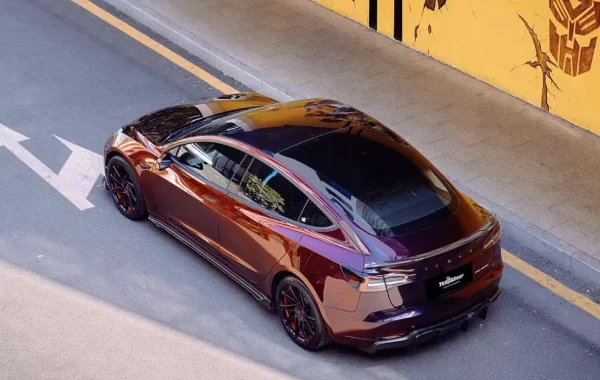
As automotive personalization continues to grow worldwide, custom car wrap designs are becoming a popular choice among car owners. Instead of sticking to single-tone colors, drivers can now create unique visual identities through graphic wraps while still protecting the original factory paint.
However, to achieve a premium and long-lasting result, there are several important factors to consider before customizing your car wrap pattern.
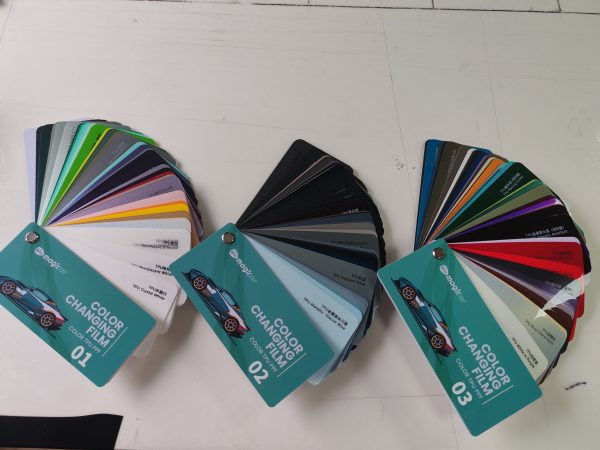
—
🚗 1. Define Your Design Style Clearly
Before starting the customization process, it is essential to determine the overall design direction. A clear style helps both the designer and installer deliver consistent and professional results.
Popular custom wrap styles include:
Sport racing graphics (stripes, number decals, dynamic shapes)
Luxury textures (brushed metal, satin gradients, geometric patterns)
Creative illustrations (anime, graffiti, abstract art)
Brand or business promotional wraps
Choosing a design that matches the vehicle type, wheel style, and overall theme will create a more cohesive appearance.
—
🎨 2. Consider Color Matching and Visual Balance
Custom wraps should not focus only on creativity — visual harmony is equally important. Overly complex patterns or too many contrasting colors may reduce the perceived quality of the vehicle.
Best practices include:
Limiting the main color palette to 2–3 tones
Using gradients or transitions to soften strong contrasts
Matching wrap colors with brake calipers, wheels, or interior accents
A balanced design enhances both aesthetics and resale appeal.
—
🧩 3. Pay Attention to Panel Layout and Seam Placement
Unlike paint, vinyl wraps are installed panel by panel. This means that large graphic patterns must be carefully aligned during installation.
Important technical considerations:
Avoid placing key visual elements across door gaps or sharp curves
Ensure symmetry on both sides of the vehicle
Allow installers flexibility in stretching and positioning the film
Professional pre-visualization (3D mockups) can help prevent design distortion after installation.
—
🛡️ 4. Choose High-Quality Wrap Materials
Design is only half the story — material performance determines durability. Premium vinyl films offer:
Better stretchability for complex curves
Stronger resistance to UV fading and weather exposure
Cleaner removal with minimal adhesive residue
For long-term custom graphic wraps, high-grade PET or TPU-based films are often recommended over basic PVC options.
—
🔧 5. Think About Maintenance and Longevity
Intricate wrap designs may require more careful maintenance to preserve their appearance.
Recommended care tips:
Use pH-neutral car wash solutions
Avoid aggressive polishing or abrasive brushes
Apply ceramic coating designed for vinyl wraps
Park indoors or use a car cover when possible
Proper maintenance can extend the lifespan of a custom wrap to 3–7 years or more, depending on material quality and climate conditions.
![]()
—
⭐ Final Thoughts
Custom car wrap patterns allow drivers to transform their vehicles into true reflections of personality or brand identity. By carefully planning design style, color balance, installation layout, material quality, and maintenance strategy, car owners can achieve a stunning and durable customized finish.
Whether for personal expression or commercial promotion, investing in a professionally designed wrap ensures both visual impact and long-term protection for your vehicle.

 English
  العربية
  Русский
  Português