This beginner’s guide to Paint Protection Film (PPF) explains why TPU is the superior choice over PVC and TPH. We detail TPU’s self-healing benefits and protection capabilities, while providing essential tips on selection and installation to help you preserve your original factory paint.
A Comprehensive Guide to the Basics for Beginners
What is the first thing to do after picking up a new car? For many car enthusiasts, it is not buying seat cushions, but considering how to protect that shiny original paint.
In the auto detailing market, you must have often heard the term “Invisible Car Coat” or “PPF.” But for new car owners, with prices ranging from two or three thousand to twenty or thirty thousand, and a wide variety of materials, it is easy to fall into traps.
In today’s guide, we will break down the basic knowledge of Paint Protection Film (PPF) in simple terms, focusing on why TPU material has become the mainstream choice in the current market, helping you avoid pitfalls and choose the right product.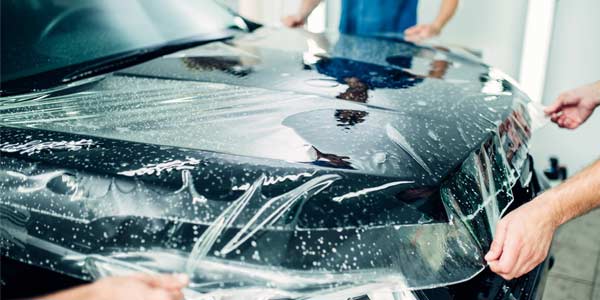
I. What Exactly is Paint Protection Film (PPF)?
The full name of PPF is Paint Protection Film, commonly known in Chinese as “Invisible Car Coat.”
Simply put, it is like putting a transparent “soft armor” on the car. This thin film is usually transparent and fits tightly on the paint surface. Its core function is to physically isolate the car paint from the outside air, rain, and gravel.
Just like we apply a tempered glass screen protector to a new phone, PPF is the “ultimate screen protector” for car paint, but its technological content is far higher than that of phone films.
Why can it protect car paint?
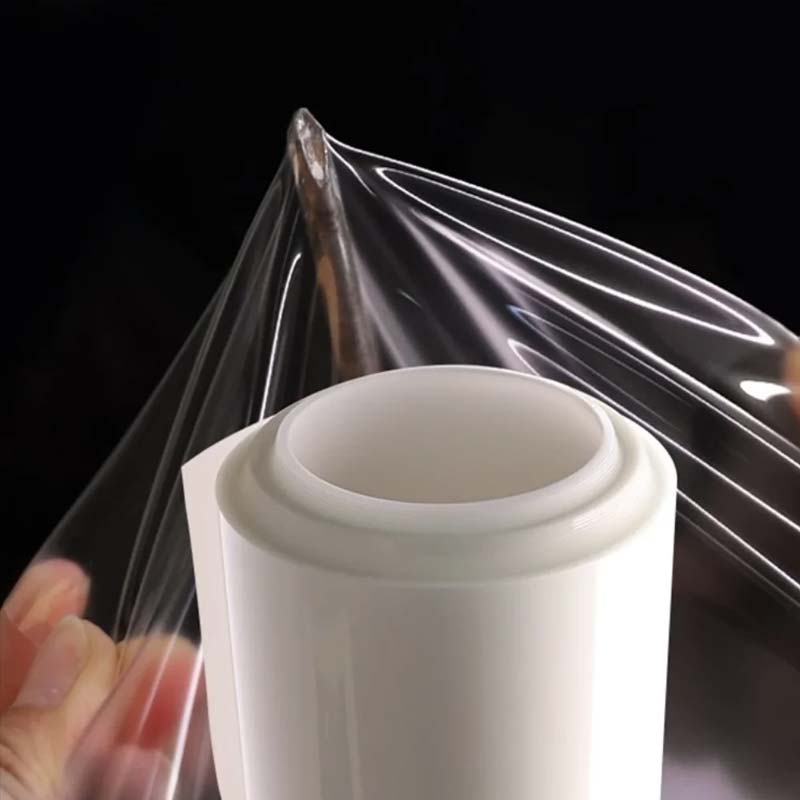
High-quality PPF usually consists of a precise three-layer structure:
* Top Coat: Endows the film with hydrophobicity, stain resistance, and thermal scratch repair functions.
* Base Material: This is what we often call TPU, which determines the toughness, light transmission, and yellowing resistance of the film.
* Adhesive Layer: Determines whether the film is easy to apply and whether it will leave glue residue or damage the paint when removed.![]()
II. Core Knowledge: Material Determines Destiny (PVC vs TPH vs TPU)
This is where beginners get confused most easily and where merchants mislead customers most often. Current car film materials have mainly gone through three generations of evolution. Choosing the wrong material will not only fail to protect the paint but may actually ruin the car.
1. First Generation: PVC (Polyvinyl Chloride)
* Features: Essentially a hard film made mainly of plastic.
* Drawbacks: The material is hard and difficult to wrap edges; yellowing resistance is extremely poor, turning yellow in a few months; the scariest part is that it not only lacks scratch repair functions but is also prone to cracking and leaving glue residue over time.
* Suggestion: Completely not recommended. Although cheap, the subsequent removal and repair costs are extremely high.
2. Second Generation: TPH (PVC with Plasticizers)
* Features: Plasticizers are added to PVC to make the film softer and easier to install.
* Drawbacks: The essence is still PVC. Although the touch feels good in the short term, after the plasticizers volatilize, the film layer will become brittle, and it still cannot solve the problems of yellowing and cracking.
* Suggestion: A compromise choice when the budget is extremely low, but do not expect too much.
3. Third Generation: TPU (Thermoplastic Polyurethane) — The Current King
* Features: This is an extremely excellent elastomeric rubber material. It has strong toughness and stretchability.
* Pros:
* Strong Physical Protection: Can withstand the impact of stones during high-speed driving.
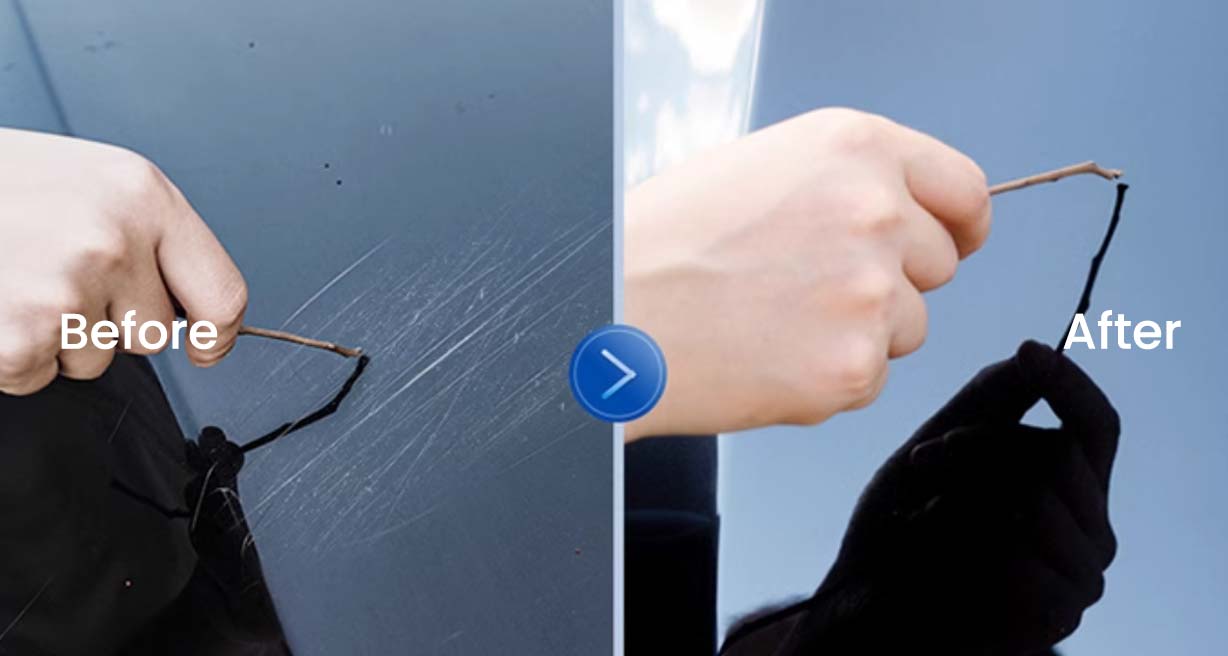
* Scratch Self-Healing: When encountering minor scratches, the memory molecules of TPU will return to their original state after exposure to sunlight or pouring hot water.
* Good Weather Resistance: High-quality TPU (especially aliphatic TPU) has strong resistance to yellowing and remains bright after 5-10 years of use.
* Suggestion: If you want to truly protect your car paint, TPU is the only recommended choice.
III. What are the Specific Benefits of Installing TPU Paint Protection Film?
Many beginners will ask: “Can’t I just drive carefully? Why spend this money?” In fact, paint damage often comes from factors we cannot control.
1. Physical Protection Against Scrapes (Preventing “Clumsiness” and Accidents)
Daily parking scrapes, stone chips from high-speed driving, scratches from roadside branches, or even door dings from others. With TPU PPF, these damages will only remain on the film. Tear off the film, and the original paint underneath remains as good as new. This is crucial for the original paint, which has a high residual value.
2. Special “Thermal Scratch Repair” Function
This is the magic of TPU material. Swirl marks caused by car washes or daily minor scratches will magically disappear after exposure to the sun in summer or by pouring hot water over them.![]()
3. Enhance Paint Brightness (Old Cars Become New, New Cars Shine Brighter)
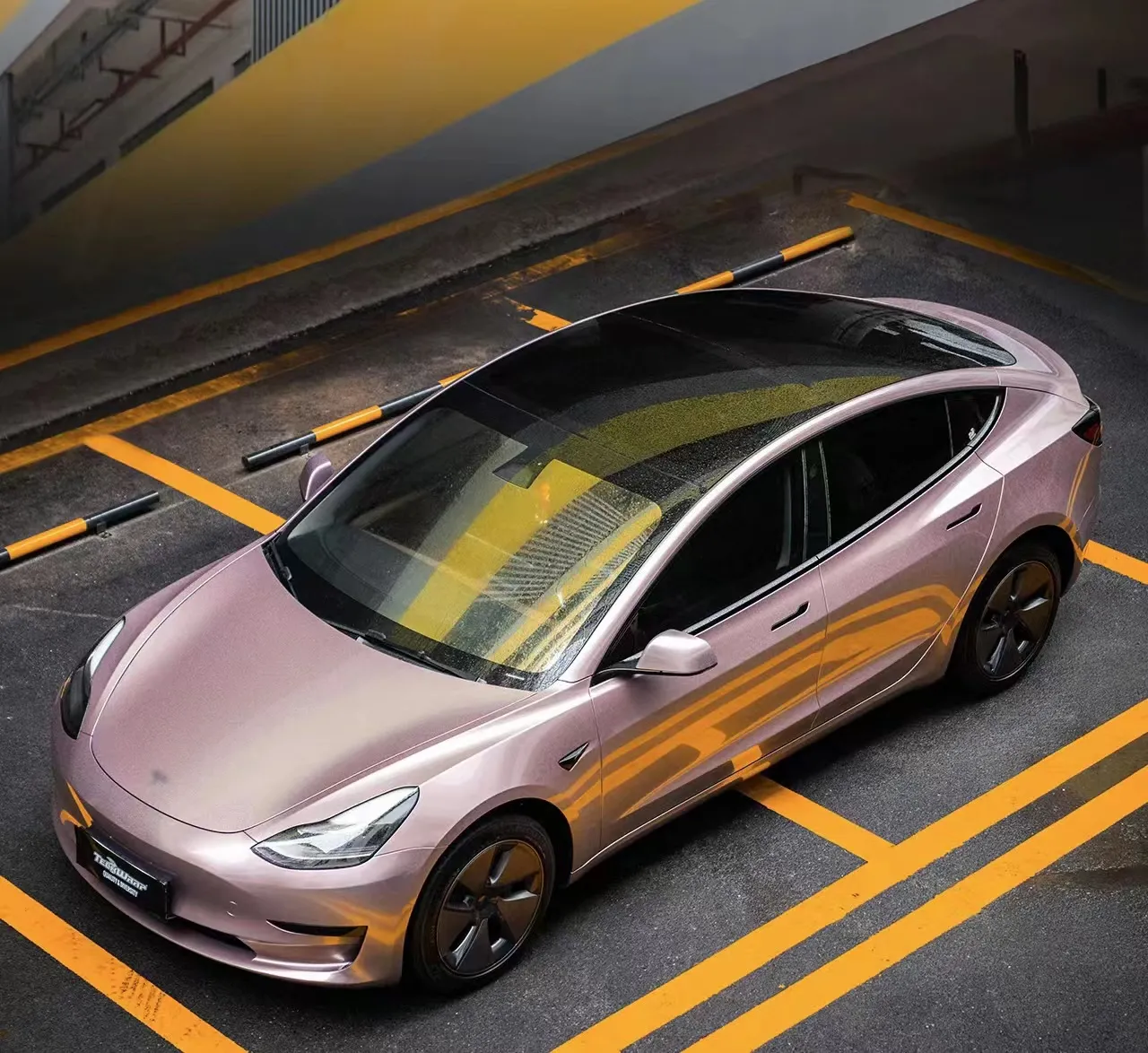
High-quality invisible car coats have good light transmittance and refractive index. After installation, they can usually increase the brightness of the car paint by about 30%, making the car look even more “moist” and glossy than when it just left the factory.
4. Resist Chemical Corrosion
Acid rain, bird droppings, bug splatter, and tree sap are “invisible killers” of car paint, which can corrode the clear coat and cause spots. The film can block these corrosive substances from the car paint through its dense coating.
IV. Beginner’s Guide to Avoiding Pitfalls: How to Judge the Quality of TPU Film?
1. Check Coating Technology
The surface coating of a good TPU film is critical. The test method is simple: draw a few strokes on the film with an oil-based marker. If it can be wiped off easily, it indicates that the coating is dense and has good stain resistance.
2. Check the Adhesive
Smell the film. If there is a pungent chemical odor, there is a high probability that the glue is inferior. Good glue should be low-odor, have moderate initial tack (convenient for installation adjustment), but strong tack after curing, and leave no residue when peeled off.
3. Check Thickness
It is not necessarily “the thicker the better.” The thickness of films on the market is usually between 6.5mil and 8.5mil. Although overly thick films offer strong protection, they are difficult to install and prone to edge lifting; overly thin films lack sufficient protection. For most family cars, 7.5mil – 8.0mil is the golden thickness, balancing protection and aesthetics.
V. “30% Film, 70% Installation”: Application is Equally Important
Buying good TPU car film is only half the battle. The installation of PPF is a skilled craft.
* Installation Environment: It must be a dust-free workshop. If micro-dust in the air gets trapped between the film and the paint, it will form unsightly white specks.
* Cutting Method: “Vehicle-specific” machine cutting (cut by computer data) is popular now. It involves no knives on the car and no disassembly of parts, minimizing risk. Of course, for complex curves, experienced manual cutting technicians can often achieve a more extreme edge-wrapping effect.
* Acceptance Standards: When picking up the car, focus on checking whether the edge wrapping is complete, whether there are bubbles, and whether the corners are lifting.
Conclusion: Is This Investment Worth It?
Paint Protection Film (PPF) is essentially a one-time prepaid protection.
If you plan to hold this car for a long time, or if it is a model with a high retention value, then choosing a high-quality TPU Invisible Car Coat is definitely cost-effective. It not only saves you the cost of polishing and waxing during use but also allows you to get a higher valuation when selling the car because you possess perfect original paint.
Remember one thing: The film can be replaced, but the original factory paint comes only once.![]()

 English
  العربية
  Русский
  Português