Car window tinting has become an essential upgrade for drivers seeking better comfort, privacy, and interior protection. However, not all window films are created equal. Low-quality car window tint may seem like a cost-saving option, but it often leads to serious safety, health, and performance issues. Understanding these risks can help you make a smarter investment.
—
1. Poor Heat Rejection Increases Cabin Temperature
One of the main purposes of window tint is heat reduction. Inferior films lack advanced materials like nano-ceramic or infrared-blocking technology, resulting in weak heat rejection.
Risks include:
Overheated cabin, especially in hot climates like the Middle East or Southeast Asia
Increased reliance on air conditioning
Higher fuel consumption or battery drain (for EVs)
—
2. Insufficient UV Protection Damages Health and Interior
High-quality window films can block up to 99% of harmful UV rays. Low-grade films often fail to meet this standard.
Consequences:
Increased risk of skin damage from prolonged UV exposure
Fading, cracking, and aging of car interiors (dashboard, seats)
—
3. Reduced Visibility Compromises Driving Safety
Cheap window tint often has poor optical clarity and uneven dye distribution.
Common issues:
Blurry or hazy vision, especially at night
Increased glare from headlights
Higher risk of accidents in low-light conditions
—
4. Bubbling, Peeling, and Short Lifespan
Low-quality adhesives and materials degrade quickly under sun exposure.
Typical problems:
Air bubbles forming within months
Film peeling at the edges
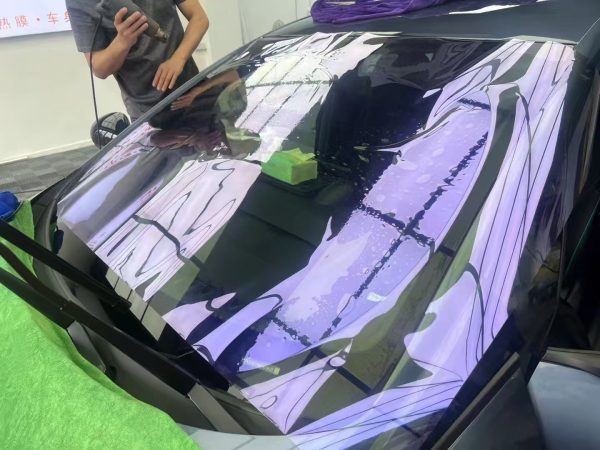
Purple discoloration over time
This not only affects appearance but also requires frequent replacement, increasing long-term costs.
—
5. Harmful Chemical Emissions
Some inferior window films are made with substandard materials that may release volatile organic compounds (VOCs) when exposed to heat.
Potential impact:
Unpleasant odors inside the car
Possible respiratory irritation over time
![]()
—
6. Signal Interference (Metallic Films)
Cheap metallic films can interfere with electronic signals.
Affected systems:
GPS navigation
Mobile phone reception
Electronic toll collection systems
—
7. Legal Compliance Issues
Many countries have strict regulations on Visible Light Transmission (VLT). Low-quality films often lack certification and may not comply with legal standards.
Risks:
Fines or penalties
Mandatory removal and reinstallation
—
How to Avoid Low-Quality Car Window Tint
To ensure safety and long-term value, consider the following tips:
1. Choose Advanced Materials
Opt for nano-ceramic or high-performance films instead of dyed or low-end metallic options.
2. Verify UV and IR Rejection Rates
Look for films that clearly specify:
UV rejection ≥ 99%
High infrared (IR) heat rejection
3. Check Optical Clarity
A good film should provide clear, distortion-free visibility both day and night.
4. Look for Warranty and Certification
Reliable brands offer:
Manufacturer warranty (5–10 years)
Certified performance data
5. Work with Professional Installers
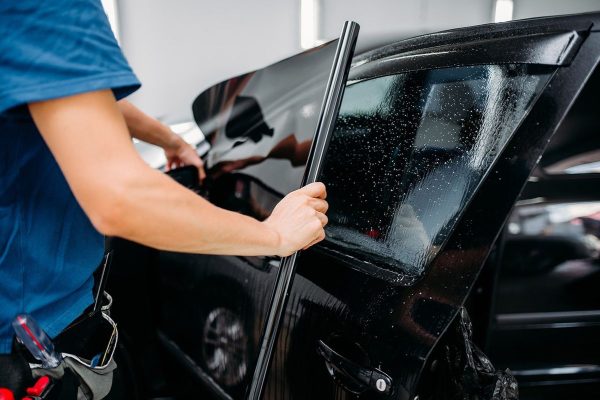
Proper installation ensures durability, performance, and compliance with local laws.
—
Conclusão
While low-quality car window tint may save money upfront, it often leads to greater risks and expenses in the long run. From reduced safety and comfort to potential health concerns, the disadvantages far outweigh the initial savings.
Investing in high-quality window film ensures better protection, enhanced driving experience, and long-term value. When it comes to your vehicle, cutting corners is never worth the risk.

 English
  العربية
  Русский
  Português