
What Is PPF Optical Clarity, and Why Does It Matter?
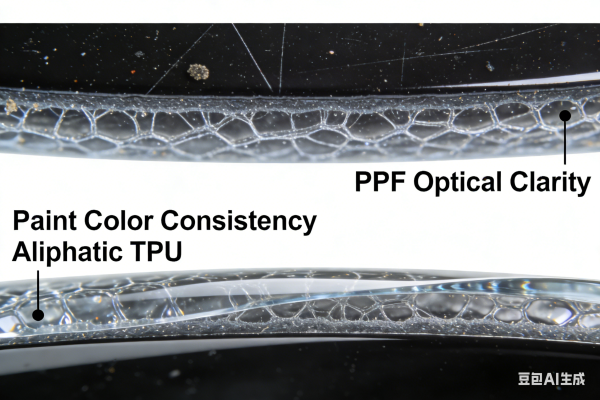
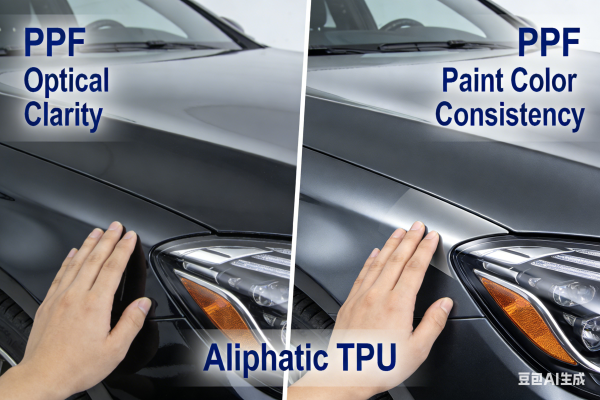
Optical clarity refers to a PPF’s ability to remain completely transparent—allowing your vehicle’s original paint color, texture, and gloss to show through unaltered. A PPF with superior optical clarity is virtually undetectable to the naked eye; it doesn’t create a hazy, cloudy, or “plastic-like” appearance that cheapens your vehicle’s look.
The importance of optical clarity can’t be overstated. For one, it preserves your vehicle’s aesthetic integrity. Premium vehicles, in particular, are designed with precise paint finishes—from deep metallic flake to subtle matte textures—and a foggy or distorted PPF can undermine that craftsmanship. Additionally, poor optical clarity often indicates subpar materials, which may be more prone to yellowing, cracking, or peeling over time—defeating the purpose of investing in PPF in the first place.
So, what makes a PPF optically clear? The answer lies in advanced materials science and manufacturing precision:
-
High-Grade TPU Base Material: Premium PPF is made from thermoplastic polyurethane (TPU), specifically aliphatic TPU. Unlike aromatic TPU, aliphatic TPU resists UV degradation, yellowing, and clouding—ensuring long-term clarity. The TPU resin must be formulated with ultra-pure ingredients to avoid impurities that cause haze.
-
Precision-Coated Layers: Top-tier PPF features multiple engineered layers—including a hydrophobic top coat, self-healing layer, and pressure-sensitive adhesive—that are applied with microscopic precision. Uneven coating or low-quality adhesives can create light refraction issues, leading to a cloudy appearance.
-
Optical Calibration: Reputable manufacturers test their PPF for light transmittance and distortion, ensuring the film allows over 99% of light to pass through. This calibration ensures the paint’s true color and gloss are preserved—even under different lighting conditions.
The Risks of Post-Installation Paint Color Differences
Nothing ruins a PPF installation faster than noticeable color discrepancies between protected and unprotected areas. Color difference (often referred to as “color shift”) can manifest as a slight lightening, darkening, or tinting of the paint under the film—and it’s a common concern for vehicle owners, especially those with dark, metallic, or matte finishes.
Why does this happen? Color shift typically stems from one of three factors: subpar PPF materials, improper surface preparation, or flawed installation techniques. For example, low-quality PPF may have a yellowish tint that becomes more pronounced over time, especially when exposed to UV rays. Alternatively, trapped moisture, dirt, or air bubbles between the film and paint can create a “wet look” that distorts the color temporarily (or permanently, if not addressed).
The consequences of color inconsistency go beyond aesthetics. For luxury or high-resale-value vehicles, even minor color shifts can reduce market value. Additionally, mismatched areas draw attention to the PPF—defeating its purpose as an “invisible shield.” For matte-finish vehicles, the risk is even higher: a PPF that alters the matte texture or sheen will create an obvious, unflattering contrast.
How to Ensure PPF Optical Clarity & Prevent Color Shifts
Achieving seamless optical clarity and color consistency requires a combination of choosing the right PPF, working with a professional installer, and following proper aftercare. Below are our expert-recommended steps:
1. Choose a Premium PPF with Proven Optical Performance
Not all PPF is created equal—invest in a product that prioritizes optical clarity and anti-yellowing properties. Look for these key features:
-
Aliphatic TPU Construction: As mentioned earlier, aliphatic TPU is resistant to UV damage and yellowing, making it ideal for maintaining long-term clarity and color neutrality.
-
Optical Grade Transparency: Look for PPF with a light transmittance rating of 99% or higher. Reputable brands (like LLumar, Vinyl Frog’s Ultra PPF) explicitly market their optical clarity and offer warranties against yellowing and haze.
-
Matte-Specific Formulations: If you have a matte-finish vehicle, choose a PPF designed specifically for matte paint. These films preserve the flat texture without adding gloss or altering the color.
Always verify the manufacturer’s warranty. A strong warranty (10+ years) against yellowing, cracking, and color distortion is a sign of confidence in the product’s optical performance.
2. Work with a Certified, Experienced Installer
Even the best PPF will fail to deliver clarity and color consistency if installed improperly. Professional installers bring the expertise, tools, and techniques needed to avoid common pitfalls:
-
Proper Surface Preparation: Before installation, the paint must be thoroughly cleaned, decontaminated, and polished (if needed) to remove swirl marks, dirt, or imperfections. Trapped debris or moisture is a leading cause of cloudiness and temporary color shifts.
-
Precision Cutting: Use a computerized, vehicle-specific cutting system to ensure the PPF fits perfectly around curves, edges, and body panels. This eliminates the need for on-vehicle cutting (which can damage the paint) and ensures a seamless fit that enhances clarity.
-
Expert Application Techniques: Professional installers use wet or dry application methods (depending on the PPF and vehicle) to avoid air bubbles and ensure full adhesion. They also have the tools to stretch the film over complex curves without distorting its optical properties.
Ask potential installers for before-and-after photos of their work—pay close attention to how the PPF blends with the paint on dark or metallic vehicles. Certification from PPF manufacturers (like LLumar’s certified installers) is another sign of expertise.
3. Follow Proper Aftercare to Maintain Clarity & Color
Post-installation care plays a crucial role in preserving optical clarity and preventing color shifts. Follow these guidelines:
-
Allow for Full Curing: Most PPF requires 7–10 days to fully cure. During this time, avoid washing the vehicle, exposing it to harsh chemicals, or parking it in direct sunlight for extended periods. Curing ensures the adhesive bonds securely and any residual moisture evaporates—preventing cloudiness.
-
Use Gentle Cleaning Products: When washing your vehicle, use a mild, automotive-specific soap and a soft microfiber cloth. Avoid abrasive cleaners, waxes, or polishes that can scratch the PPF’s top coat or alter its clarity.
-
Remove Contaminants Promptly: Bird droppings, tree sap, and road tar can etch the PPF and cause discoloration if left on the surface. Wipe them off immediately with a clean microfiber cloth and a gentle cleaner designed for PPF.
-
Park in Shade When Possible: Prolonged exposure to direct sunlight can accelerate UV damage in low-quality PPF, but even premium films benefit from shade. This helps maintain long-term clarity and color neutrality.
Common Myths About PPF Clarity & Color Consistency
Let’s debunk some of the most common misconceptions that lead vehicle owners to make poor PPF choices:
-
Myth 1: “All clear PPF looks the same.” Fact: Cheap PPF often has a hazy or yellowish tint that becomes noticeable over time. Premium PPF, by contrast, is virtually invisible—you’ll forget it’s there.
-
Myth 2: “PPF makes dark cars look ‘wet’ permanently.” Fact: Temporary “wet look” is caused by trapped moisture, which evaporates during the curing process. A professional installation ensures no residual moisture, eliminating this issue.
-
Myth 3: “Matte paint can’t be protected with PPF without altering the finish.” Fact: Matte-specific PPF is engineered to preserve the flat texture and color of matte paint. Avoid glossy PPF on matte finishes, and choose a product designed for your paint type.
Final Thoughts: Invest in Clarity, Protect Your Color
PPF is an investment in your vehicle’s appearance and resale value—but only if it delivers on optical clarity and color consistency. By choosing a premium aliphatic TPU PPF, working with a certified installer, and following proper aftercare, you can enjoy an invisible shield that preserves your vehicle’s factory finish for years to come.
Remember: The best PPF is the one you can’t see. If you’re unsure which PPF is right for your vehicle, consult with a professional installer who can assess your paint type, driving habits, and aesthetic goals to recommend a product that prioritizes clarity and color neutrality.
Q: Will PPF make my metallic paint look dull? A: No—premium PPF preserves the metallic flake and gloss of your paint. In fact, some high-quality PPF can enhance gloss by 5–20% without altering the color. Cheap PPF, however, may dull the finish.
Q: How long does PPF maintain its optical clarity? A: Premium aliphatic TPU PPF maintains clarity for 10+ years with proper care. Look for warranties that cover yellowing and haze for peace of mind.
Q: Can color shifts be fixed after installation? A: Temporary color shifts (from trapped moisture) resolve during curing. Permanent shifts (from low-quality PPF or poor installation) typically require removing and replacing the film. Always work with a professional to avoid this issue.
Q: Is PPF suitable for all paint colors? A: Yes—premium clear PPF works with all paint colors, including dark, light, metallic, and matte. For colored PPF (if you want to customize your vehicle), choose aliphatic TPU formulations to avoid yellowing.
 English
  العربية
  Русский
  Português