Academia / Película de proteção de pintura automotiva
When it comes to protecting your car’s paint, Paint Protection Film (PPF) is a top choice for many vehicle owners. However, two critical performance indicators often determine the effectiveness and longevity of PPF: edge adhesion and stability in high-temperature and high-humidity environments. These factors not only affect the film’s ability to shield the paint from scratches, stone chips, and UV damage but also prevent unsightly issues like edge lifting, bubbling, and yellowing. In this guide, we’ll dive deep into what influences PPF edge adhesion and high-temperature humidity stability, how to choose a high-quality PPF that excels in these areas, and practical maintenance tips to maximize its lifespan.
Understanding PPF Edge Adhesion: Why It Matters
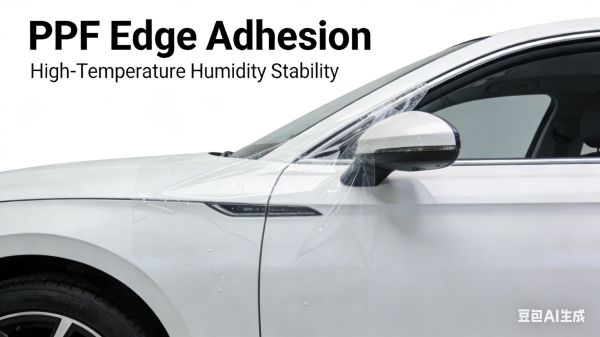
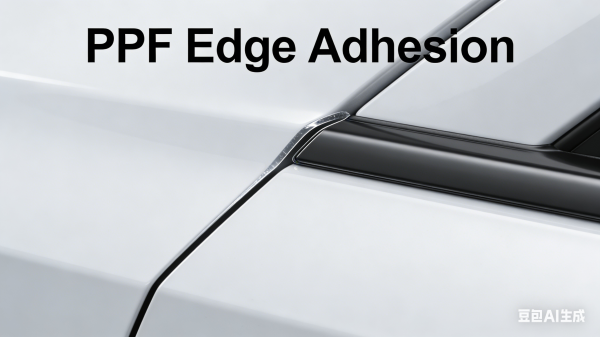
Edge adhesion refers to the ability of PPF to bond firmly to the vehicle’s paint along its cut edges. The edges of PPF are the most vulnerable parts—poor adhesion here can lead to edge lifting, where the film peels away from the paint. This not only ruins the aesthetic of the vehicle but also creates gaps where dirt, water, and debris can seep in, potentially damaging the paint underneath and causing the film to delaminate further.
For vehicle owners in all climates, but especially those in areas with frequent rain or car washes, strong edge adhesion is non-negotiable. It ensures that the PPF remains intact even when exposed to water pressure, chemical cleaners, and the mechanical stress of washing. Additionally, strong edge adhesion contributes to the overall durability of the PPF, allowing it to withstand the daily wear and tear of driving.
Key Factors Affecting PPF Edge Adhesion
Several factors play a crucial role in determining the edge adhesion of PPF. Understanding these can help you make an informed decision when selecting a film and ensure proper installation.
1. Quality of PPF Adhesive
The adhesive layer is the backbone of PPF edge adhesion. High-quality PPF uses advanced pressure-sensitive adhesives (PSAs) that are specifically formulated for automotive paint surfaces. These adhesives offer strong initial tack (the ability to stick immediately upon application) and long-term bonding strength without damaging the paint or leaving residue when removed. Cheaper PPF, on the other hand, often uses low-grade adhesives that may lose their bonding power over time, leading to edge lifting.
2. Installation Technique
Even the best PPF will fail in edge adhesion if installed incorrectly. Proper surface preparation is critical—this includes thorough cleaning of the paint to remove dirt, wax, oil, and other contaminants that can prevent the adhesive from bonding. Additionally, the way the film is cut and applied along the edges matters. Skilled installers use precision cutting tools (such as computerized plotters) to ensure clean, smooth edges that fit perfectly against the vehicle’s contours. They also use techniques like “wrapping” the edge slightly around panels (where possible) to create a stronger bond and prevent water ingress.
3. Edge Sealing
Many high-quality PPF installations include an edge sealing step. This involves applying a specialized sealant along the cut edges of the film to enhance adhesion and create a waterproof barrier. Edge sealants fill any tiny gaps between the film and the paint, further preventing dirt and water from getting underneath. This step is especially important for areas prone to high moisture, such as the front bumper, hood, and side mirrors.
High-Temperature & High-Humidity Environment: Challenges for PPF Stability
Vehicles in regions with high temperatures (e.g., deserts, tropical areas) and high humidity (e.g., coastal regions, rainy seasons) face unique challenges for PPF stability. High temperatures can cause the PPF to expand and contract, putting stress on the adhesive layer. Meanwhile, high humidity increases the risk of moisture getting trapped between the film and the paint, which can lead to bubbling, mold growth, and adhesive failure. Over time, these conditions can also cause the PPF to yellow, crack, or lose its clarity.
For example, in coastal areas, saltwater mist can accelerate the degradation of low-quality PPF adhesives, leading to premature edge lifting and delamination. In hot, humid climates, the combination of UV radiation and moisture can break down the film’s polymer structure, reducing its protective properties and lifespan.
How to Choose PPF with Excellent High-Temperature Humidity Stability
When selecting PPF for use in high-temperature and high-humidity environments, look for the following key features that indicate superior stability:
1. High-Grade Polymer Material
Top-tier PPF is made from thermoplastic polyurethane (TPU), a material known for its exceptional resistance to heat, UV radiation, and moisture. TPU is flexible, allowing it to expand and contract with temperature changes without cracking or losing adhesion. Avoid PPF made from cheaper materials like vinyl, which are prone to yellowing and degradation in harsh climates.
2. UV-Resistant Coating
A high-quality PPF will have a clear, UV-resistant topcoat that blocks harmful UV rays. This not only prevents the film from yellowing but also protects the underlying paint from fading. Look for PPF with a topcoat that has a high UV protection rating (e.g., 99% UV blocking) for maximum stability in sunny, hot environments.
3. Moisture-Resistant Adhesive
Choose PPF with an adhesive layer that is specifically designed to resist moisture. Some advanced adhesives have hydrophobic properties, repelling water and preventing moisture from seeping between the film and the paint. This is crucial for maintaining stability in high-humidity areas or regions with frequent rain.
4. Temperature Tolerance Rating
Check the manufacturer’s specifications for the PPF’s temperature tolerance. High-quality PPF should be able to withstand a wide range of temperatures, typically from -40°F (-40°C) to 250°F (121°C) or higher. This ensures that it remains stable even in extreme heat, such as when the vehicle is parked in direct sunlight for extended periods.
Maintenance Tips to Enhance PPF Edge Adhesion & Environmental Stability
Proper maintenance is key to maximizing the edge adhesion and stability of your PPF, especially in harsh environments. Follow these tips:
1. Wait for Proper Curing Before Washing
After PPF installation, allow the film to cure fully before washing your vehicle. Most manufacturers recommend waiting 7-10 days. During this time, the adhesive bonds fully to the paint, and edge sealing (if applied) sets. Washing too soon can disrupt the curing process, weakening edge adhesion.
2. Use Mild Cleaning Products
Avoid using harsh chemicals, abrasive cleaners, or high-pressure washers with excessive pressure (above 1,500 PSI) on your PPF. These can damage the topcoat, weaken the adhesive, and cause edge lifting. Instead, use a mild, pH-neutral car shampoo and a soft microfiber cloth or sponge to clean the film gently.
3. Dry Thoroughly After Washing
After washing, dry the PPF thoroughly with a clean microfiber towel, paying special attention to the edges. This prevents water from pooling along the edges and seeping underneath the film, which can lead to moisture-related issues in high-humidity environments.
4. Inspect Edges Regularly
Periodically check the edges of your PPF for signs of lifting, bubbling, or damage. If you notice any issues, address them immediately. Small edge lifts can often be fixed by a professional installer using heat and pressure to re-adhere the film, or by applying additional edge sealant. Ignoring small issues can lead to more extensive damage.
5. Avoid Parking in Direct Sunlight for Extended Periods (When Possible)
While high-quality PPF is designed to withstand UV radiation, prolonged exposure to extreme heat can still put stress on the film and adhesive. Whenever possible, park your vehicle in a shaded area or use a car cover to protect it from direct sunlight, especially in hot climates.
Conclusion: Invest in Quality for Long-Term Protection
PPF edge adhesion and stability in high-temperature and high-humidity environments are critical for ensuring long-lasting paint protection. By choosing a high-quality PPF made from TPU with a UV-resistant topcoat and moisture-resistant adhesive, and ensuring proper installation by a skilled professional, you can significantly enhance the film’s performance. Additionally, following simple maintenance tips will help preserve edge adhesion and stability, keeping your vehicle’s paint looking new for years to come.
When shopping for PPF, don’t hesitate to ask manufacturers or installers about the film’s edge adhesion properties and temperature/humidity tolerance. Investing in a premium product and professional installation will save you time and money in the long run, avoiding the need for costly repairs or film replacement due to adhesion failure or environmental damage.
Entre em contato comigo
A WooMagicar atende mais de 300 concessionárias 4S e revendedores regionais, oferecendo fornecimento direto da fábrica, descontos para compras em grande quantidade, testes de amostras grátis, seleção de produtos personalizada e cooperação regional exclusiva. Entre em contato comigo a qualquer momento para informações sobre prazos de entrega, termos de garantia ou parcerias offline.

 English
  العربية
  Русский
  Português