A película de proteção de pintura é necessária em carros novos?
Academia / Película de proteção de pintura automotiva
Is PPF necessary for new cars? Veteran drivers recommend it for vehicles valued over $30,000. High-quality TPU film acts as “armor,” offering physical scratch resistance, self-healing, and protection against chemical corrosion to preserve the irreplaceable original factory paint. This investment enhances gloss and boosts resale value. However, it is not cost-effective for budget cars, where waxing suffices. Key Tip: Always choose TPU over cheap PVC to avoid yellowing and paint damage. It’s not an “IQ tax” but a strategic way to keep your car looking brand new.
After picking up a new car, amidst the joy, many owners face a “burning question”: Is it necessary to apply paint protection film (PPF) to a new car?
This transparent film (commonly known as “Clear Bra” or “Invisible Car Clothing”) costs thousands or even tens of thousands of dollars. Is it a “golden armor” protecting your beloved car, or just a “rip-off” (IQ tax) harvesting newbies? As “veteran drivers” who have seen countless cars, today we will put aside sales pitches and deeply analyze the pros and cons from the perspectives of practicality, resale value, and materials science.
I. What is Paint Protection Film (PPF)?
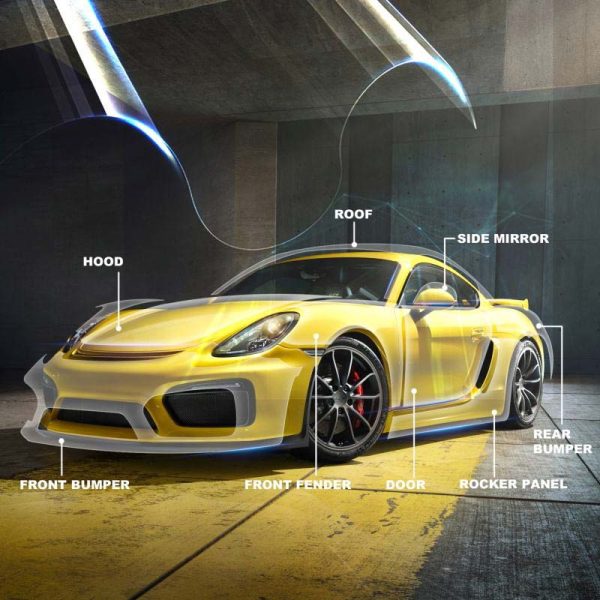
Paint Protection Film (PPF), often referred to as “Clear Bra,” is a polyurethane film containing anti-UV polymers. It possesses ultra-strong toughness and abrasion resistance. Simply put, it puts a “transparent bulletproof vest” on your car’s paint.
II. 3 Core Reasons Veterans Recommend PPF
If you are still hesitating, take a look at these three pain points that only people who have driven for a few years truly understand:
When driving a new car, the most heartbreaking thing is the first scratch. High-Speed Rock Chips: When driving on highways, small stones kicked up by vehicles in front hit the hood and bumper, easily causing paint chips. Daily Minor Scrapes: “Door dings” when parking, scratches from bushes or tree branches, or even malicious key scratches. Veteran’s Take: High-quality PPF (especially TPU material) has a self-healing function. Fine scratches will automatically heal when exposed to sunlight or hot water. This provides much more peace of mind than having to repaint (which might result in color mismatches) every time it gets scratched.
2. Blocking “Chemical Corrosion”: Guarding Original Factory Paint
The biggest enemy of car paint is often not impact, but the environment. Bird Droppings & Bug Splatter: These contain strong acids. If not cleaned in time, they will directly corrode the clear coat, leaving permanent etch marks. Acid Rain & Oxidation: Long-term exposure to sun and rain causes white paint to yellow and black paint to become dull. Veteran’s Take: Original factory paint (OEM paint) is a non-renewable resource. No matter how good the aftermarket painting process is, it cannot achieve the hardness and bonding strength of the original high-temperature baked paint. PPF completely isolates the paint from contact with the outside air, delaying oxidation.
3. Boosting Appearance & “Resale Value”: Worth More When Selling
Gloss Enhancement: After applying PPF, due to the refraction of the film layer, paint brightness usually increases by about 30%, making the car look even “newer” than when it left the factory. Used Car Valuation: When you sell your car, the first thing dealers look at is the paint. A used car with original paint often commands a significantly higher price than one that has been repainted. Veteran’s Take: Although PPF costs money upfront, considering it saves years of polishing and waxing costs, plus the premium when selling the car, the math actually works out—provided your car itself holds some value.
III. The “Don’t Buy” Guide: When to Say No
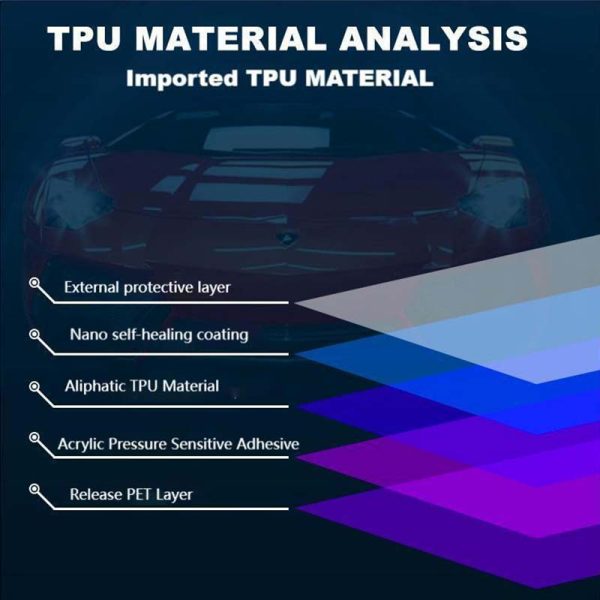
Although PPF has many benefits, not every car needs it. To avoid “overconsumption,” we recommend caution in the following situations: Budget Commuter Cars: If the car price is under $15,000 (approx. 100k RMB), a decent PPF job costs $800-$1,200, taking up nearly 10% of the car’s value. In this case, regular waxing or ceramic coating offers better value for money. Avoid “Inferior Film” at all costs: Only TPU (Thermoplastic Polyurethane) material is worth applying. If you try to save money by applying cheap PVC material (plastic film), it will turn yellow and crack after a year or two. Worst of all, it leaves heavy adhesive residue when removed, potentially pulling off the paint. That is the true way to “ruin a car.”
IV. How to Choose? Focus on These Keywords
If you decide to apply it, be sure to focus on the following parameters to avoid pitfalls: Material: Must be TPU (Aliphatic TPU is better). Absolutely say no to PVC or TPH. Thickness: Generally, 7.5mil – 8.5mil is most suitable. Too thin offers insufficient protection; too thick is hard to apply and prone to “orange peel” texture. Glue: Look for major brands like Ashland glue. It features low viscosity and low initial tack, ensuring no residue is left when peeling off. Brand & Warranty: Choose a legitimate brand with an electronic warranty card. The warranty period is usually 5-10 years.
V. Conclusion
Is Paint Protection Film necessary for a new car?
The answer is: For models costing over $30,000 , or for owners who care deeply about the integrity of the original paint, it is very necessary.
It is not a “rip-off,” but a form of “investment-grade protection” for your vehicle asset. It allows you to maintain peace of mind even when encountering minor scrapes during use—peel off the film, and it’s a new car again.
However, if your budget is limited, or the vehicle serves primarily as a short-term transition tool, then frequent washing and waxing is a perfectly adequate maintenance method.
Entre em contato comigo
A WooMagicar atende mais de 300 concessionárias 4S e revendedores regionais, oferecendo fornecimento direto da fábrica, descontos para compras em grande quantidade, testes de amostras grátis, seleção de produtos personalizada e cooperação regional exclusiva. Entre em contato comigo a qualquer momento para informações sobre prazos de entrega, termos de garantia ou parcerias offline.

 English
  العربية
  Русский
  Português