In Middle Eastern countries such as Saudi Arabia and the UAE, Paint Protection Film (PPF) has become increasingly popular among car owners who want to preserve their vehicle’s original paint.
However, before installation, one important question is often raised:
Will applying paint protection film affect vehicle inspection or legal compliance?
This article explains the answer based on real inspection standards in the Middle East, combined with practical market experience from WooMagicar Paint Protection Film.

—
1. Quick Answer: Does PPF Affect Vehicle Inspection?
In normal circumstances, it does not.
In countries like Saudi Arabia and the UAE, as long as the paint protection film:
Does not change the original vehicle color
Does not cover vehicle identification information (VIN plate, labels, license plate)
Does not interfere with lights, reflectors, or safety systems
👉 Clear paint protection film is considered a surface protection product, not a vehicle modification, and does not affect inspection results.
—
2. What Do Vehicle Inspections Focus on in the Middle East?
Using Saudi Arabia (Fahas / MVPI) and the UAE (RTA, ADNOC) as examples, vehicle inspections mainly focus on:
1️⃣ Driving Safety
Brake performance
Tire condition
Proper operation of headlights and taillights
2️⃣ Vehicle Identification Consistency
Body color matching registration records
VIN clearly visible and readable
3️⃣ Illegal or Unsafe Modifications
Structural changes
Unauthorized lighting modifications
Window tint exceeding legal limits
✅ Paint protection film does not fall under these restricted categories.
—
3. Why Is Paint Protection Film Compliant in the Middle East?
1️⃣ It Does Not Change the Original Color
Clear paint protection film:
Preserves the factory paint color
Does not require re-registration
Does not affect vehicle documentation
This is also the most common and recommended option in the Middle Eastern market, and the primary solution offered by WooMagicar.
![]()
—
2️⃣ It Does Not Alter Vehicle Structure or Function
Paint protection film is applied only to the paint surface and does not involve:
Body panels or frame
Sensors or electronics
Active or passive safety systems
From a regulatory perspective, PPF is classified as automotive surface protection, not modification.
—
3️⃣ Middle Eastern Climate Strongly Favors High-Quality PPF
The Middle East is known for:
Intense UV exposure
Extremely high temperatures
Sand and dust in daily driving conditions
High-quality PPF helps protect against:
Paint oxidation and aging
Sun marks and fading
Fine scratches caused by sand and debris
Because of this, inspection authorities generally have a high level of acceptance for paint protection film.
—
4. Situations That May Affect Inspection (Important Notes)
While paint protection film itself is compliant, the following situations should be avoided:
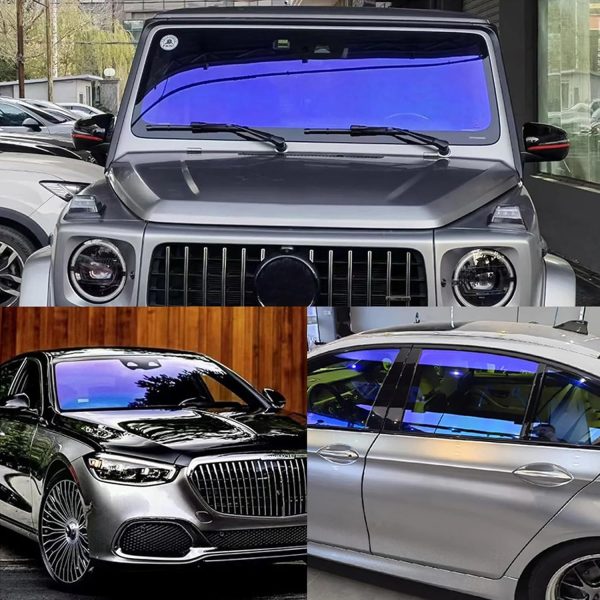
⚠️ Color-Changing Paint Protection Film
If the film changes the vehicle’s original color, re-registration may be required in some countries.
👉 For the Middle East, clear PPF is strongly recommended.
—
⚠️ Covering VIN or Identification Labels
Such as labels located in:
Engine bay
Door jambs
👉 Professional installation should always leave these areas uncovered.
—
⚠️ Yellowing Caused by Low-Quality Materials
In high-temperature environments, low-grade PPF may:
Yellow noticeably
Become hazy or distorted
This can visually resemble a color change and may raise concerns during inspection.
—
5. Compliance and Quality Recommendations for the Middle East
In Saudi Arabia, the UAE, and other Middle Eastern countries, clear paint protection film is widely recognized as a legal and safe vehicle protection solution.
Taking WooMagicar Paint Protection Film as an example:
WooMagicar has established long-term cooperation with over 300 professional PPF installation shops
Products are tested under strict, measurable standards for:
Anti-yellowing performance
Scratch resistance
Performance is verified through real-world use in Middle Eastern climates, not just laboratory claims
As long as the following principles are met:
Original vehicle color remains unchanged
All identification information stays visible
High-quality, tested materials are used
👉 Applying paint protection film will not affect vehicle inspection or legal use.
—
6. Conclusion: Middle Eastern Car Owners Can Apply PPF with Confidence
✅ Clear paint protection film does not affect vehicle inspection
✅ It is not considered illegal modification
✅ Especially suitable for high-heat and strong UV environments
⚠️ Avoid color-changing films, covering VINs, and low-quality materials
For the Middle East, only paint protection films that are thoroughly tested and widely applied in real market conditions can provide long-term, reliable protection.

 English
  العربية
  Русский
  Português