In regions with strong sunlight, ultraviolet (UV) radiation is more than just a discomfort—it poses real risks to both human health and your vehicle’s interior. So, can car window film effectively block UV rays? The answer is yes—and in many cases, it’s one of the most efficient solutions available.
—
1. Does Car Window Film Block UV Rays?
Yes. High-quality car window films can block up to 99% of harmful UV rays, including both UVA and UVB.
Even factory-installed automotive glass offers only partial UV protection. Without additional film, a significant portion of UV radiation can still penetrate the cabin—especially through side and rear windows.
Advanced films—such as nano-ceramic and sputtered metal films—are specifically engineered to filter UV radiation while maintaining visibility.
—
2. Why UV Protection Matters
2.1 Protecting Passengers’ Health
Prolonged exposure to UV rays can lead to:
Skin aging (wrinkles, pigmentation)
Increased risk of skin cancer
Eye damage (e.g., cataracts)
With UV-blocking window film, drivers and passengers are significantly less exposed during daily commutes or long-distance travel.
—
2.2 Preserving Vehicle Interior
UV radiation is a major cause of interior deterioration, including:
Fading of seats, dashboards, and door panels
Cracking or warping of leather and plastics
Reduced resale value of the vehicle
Installing a UV-resistant window film helps extend the lifespan of interior materials, keeping the car looking newer for longer.
—
3. How Car Window Film Blocks UV Rays
Modern window films use multi-layer technology to filter harmful radiation:
UV Absorbers: Special chemical layers that absorb ultraviolet light
Nano-Ceramic Particles: Block UV and infrared heat without affecting signal reception
Metal Coatings: Reflect solar radiation, including UV (though may affect GPS or mobile signals)
Among these, nano-ceramic films are considered the most advanced due to their durability and non-interference with electronics.
![]()
—
4. Key Performance Indicators to Check
When selecting a car window film, focus on these metrics:
UV Rejection Rate: Look for ≥99%
Infrared Rejection (IRR): Indicates heat reduction capability
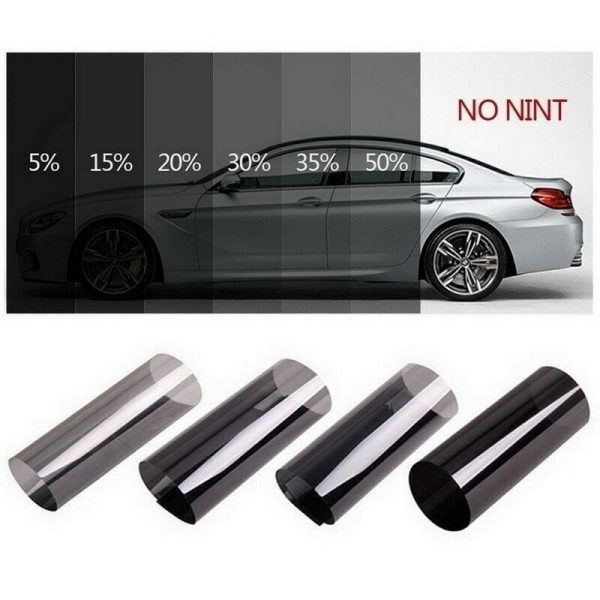
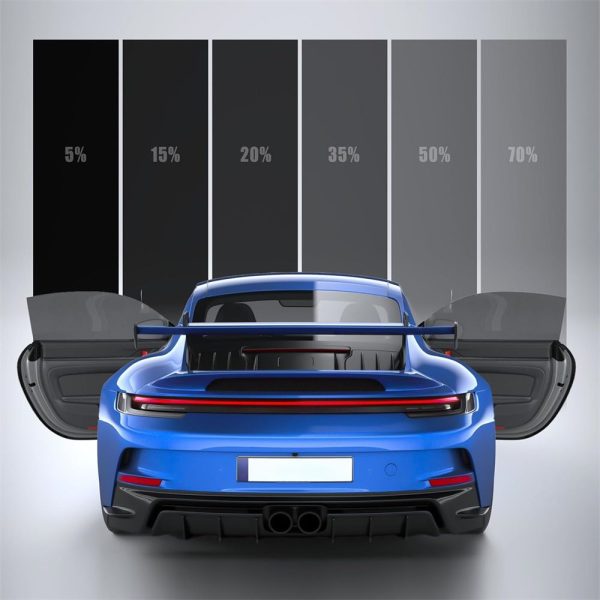
Visible Light Transmission (VLT): Affects visibility and legal compliance
Total Solar Energy Rejection (TSER): Overall performance indicator
A good balance between UV protection, heat rejection, and visibility ensures both comfort and safety.
—
5. Are All Window Films the Same?
No. Lower-cost dyed films may offer limited UV protection and degrade quickly over time. In contrast, premium films maintain high UV rejection rates for years without fading or bubbling.
For export markets such as the Middle East and Europe, high-performance films are often required to meet strict quality and durability standards.
—
6. Conclusion: Is UV-Protective Window Film Worth It?
Absolutely. Installing high-quality car window film is a cost-effective way to protect both passengers and vehicle interiors from long-term UV damage.
Whether you are a car owner, distributor, or importer, choosing a reliable film with proven UV-blocking performance will enhance comfort, safety, and product value.
—
7. Final Tip
If you’re sourcing window film for international markets, prioritize:
Certified UV protection performance
Long-term durability under extreme climates
Compliance with local tinting regulations
A well-chosen window film is not just an accessory—it’s a smart investment in protection and performance.

 English
  العربية
  Русский
  Português