As EV adoption continues to grow globally, offering heat-stable and dimensionally reliable color wrap solutions will position your brand ahead in the competitive automotive aftermarket industry.
If you’re targeting Tesla, BYD, or other global EV owners, selecting the right material is not just about color — it’s about engineering compatibility and long-term performance.
Best Color Change Wrap for Electric Vehicles (EVs): Heat Management & Premium Style Guide (2026)
As electric vehicles continue to dominate global markets, more EV owners are looking for high-quality color change wraps that enhance both appearance and performance.
Unlike traditional gasoline vehicles, EVs are highly sensitive to temperature due to their battery management systems. That means choosing the right vinyl wrap isn’t just about aesthetics — it’s also about heat control, durability, and material stability.
This guide explains how to choose the best color wrap for electric vehicles while balancing cooling performance and premium design.
—
Why EVs Require Smarter Wrap Selection
Modern EV brands like Tesla, BYD, NIO, and Hyundai engineer vehicles with large battery packs and complex thermal management systems.
Excessive exterior heat can lead to:
Increased battery cooling load
Reduced driving range
Higher energy consumption from HVAC systems
Accelerated interior aging
Therefore, EV wraps should prioritize:
Low heat absorption
High reflectivity
Dimensional stability under temperature changes
Long-term resistance to shrinking and edge lifting
—
Comparing Wrap Materials for Electric Vehicles
1. PVC Vinyl Wrap (Entry-Level Option)
Advantages:
Cost-effective
Wide color range
Easy installation
Limitations:
Lower heat resistance
Higher shrinkage risk over time
Shorter lifespan in hot climates
PVC wraps are suitable for short-term color changes or budget projects, but may not be ideal for long-term EV applications, especially in regions with strong sun exposure (Middle East, Australia, Southeast Asia, Southern Europe).
—
2. PET-Based Color Wrap (Mid-to-High Tier Choice)
Advantages:
Better thermal stability
Smoother surface finish
Lower shrinkage rate
Improved durability
PET material performs significantly better under heat compared to traditional PVC. It’s a safer and more stable option for electric vehicles used in warmer regions.
—
3. TPU Color Wrap (Premium EV Solution)
Advantages:
Excellent heat resistance
Superior flexibility
Long lifespan
Resistant to oxidation
Some products offer self-healing properties
TPU wraps combine color change aesthetics with performance similar to paint protection film (PPF). For high-value EVs, this is often the most reliable long-term solution.
If the budget allows, TPU-based color wraps are strongly recommended for electric vehicles.
—
Best Color Choices for EV Heat & Aesthetic Balance
1. Light Metallic Finishes (Best for Heat Reflection)
Glacier Silver
Pearl White
Titanium Grey
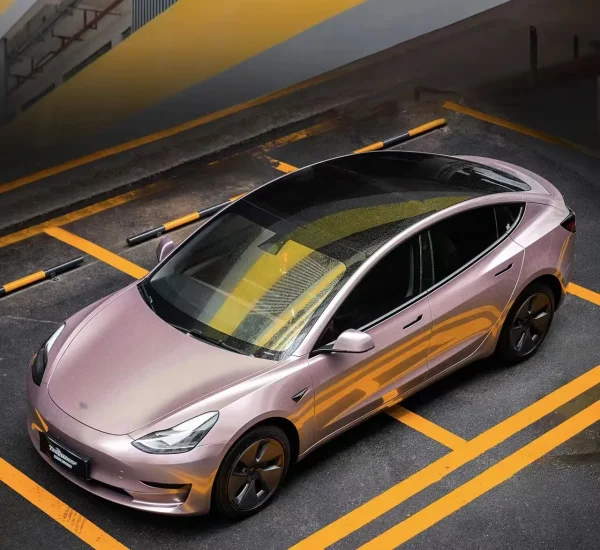
Lighter colors reflect more sunlight and help reduce surface temperature buildup.
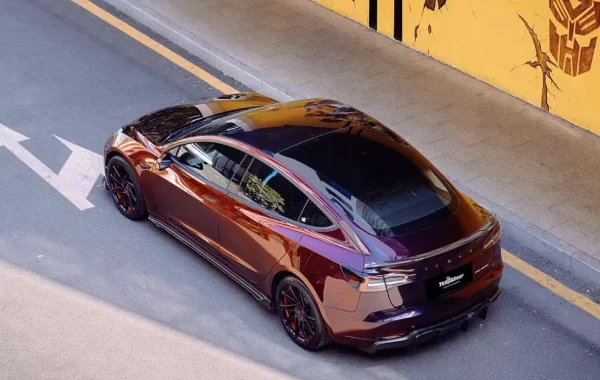
Popular EV models such as Tesla Model 3 and BYD Seal look particularly refined in metallic light tones.
—
2. Modern Grey & Cement Tones (Premium Urban Look)
Nardo Grey style
Cement Grey
Matte Battle Grey
Grey tones complement the futuristic design language of most EV platforms while maintaining a balanced heat profile.
—
3. Brushed Metal & Satin Finishes (Tech-Inspired Aesthetics)
Brushed metallic textures enhance the futuristic character of electric vehicles and differentiate them from conventional cars.
—
Installation Considerations for EV Wrap Projects
1. Avoid wrapping battery cooling components or underbody protection zones.
2. Choose high-elongation film for complex body lines (common in EV aerodynamics).
3. Ensure installation is performed in a controlled environment to prevent lifting and contamination.
Professional installation is especially important for EVs due to sensitive sensors, cameras, and panel tolerances.
—
How Long Does an EV Color Wrap Last?
PVC: 1–3 years
PET: 3–5 years
TPU: 5+ years
![]()
High-quality materials reduce reinstallation costs and protect resale value — especially important in premium EV markets.
—
Final Recommendation for International Distributors & Installers
For overseas markets, especially in regions with high UV exposure, we recommend:
PET-based wraps as a balanced performance option
TPU color wraps for premium EV customers
Avoiding low-grade PVC for long-term EV projects
As EV adoption continues to grow globally, offering heat-stable and dimensionally reliable color wrap solutions will position your brand ahead in the competitive automotive aftermarket industry.
If you’re targeting Tesla, BYD, or other global EV owners, selecting the right material is not just about color — it’s about engineering compatibility and long-term performance.

 English
  العربية
  Русский
  Português