A Complete Outdoor Parking Protection Guide
Rock chips are one of the most common causes of paint damage, especially for vehicles that frequently drive on highways or are parked outdoors for long periods. This leads many car owners to ask an important and practical question:
Can paint protection film (PPF) really protect against rock chip damage, or is it just peace of mind?
In this guide, we’ll take an in-depth look at how paint protection film performs against rock impacts, how outdoor parking affects vehicle paint, and what to look for when choosing the right PPF for real-world protection.
—
Why Rock Chips Cause Serious Paint Damage
Rock chip damage may look minor at first, but the impact on your vehicle’s paint can be permanent. The main reasons include:
1. High-Speed Impact Energy
At highway speeds, even small gravel can generate significant kinetic energy. When it strikes the vehicle, that energy is released instantly onto a very small surface area.
2. Concentrated Point Damage
Unlike scratches, rock chips hit the paint at a single point. This makes it easier to break through the clear coat and, in some cases, expose the primer or metal underneath.
3. Factory Paint Has No Shock Absorption
OEM paint systems are designed for appearance and corrosion resistance, not impact protection. Once damaged, restoring factory-level paint quality is difficult and expensive.
—
How Paint Protection Film Helps Absorb Rock Impacts
Paint protection film is not just a thin plastic layer. High-quality PPF is a multi-layer protective system designed to reduce physical damage.
TPU Material: The Core of Impact Protection
Premium paint protection films are made from TPU (Thermoplastic Polyurethane), which offers:
Excellent elasticity and flexibility
Strong impact absorption
Ability to deform under impact and quickly recover
When a rock strikes the surface, the TPU layer absorbs and disperses the force, significantly reducing the stress transferred to the paint.
Thickness Matters More Than Most People Think
PPF thickness plays a major role in rock chip resistance:
Thinner films protect against light sand and debris
Mid-range thickness handles daily highway driving
Thicker films (8.5 mil and above) offer stronger resistance to high-speed rock impacts
Greater thickness allows the film to absorb more energy before failure, making it ideal for vehicles frequently driven or parked outdoors.
![]()
—
Can Paint Protection Film Fully Prevent All Rock Chips?
To be clear and realistic:
No paint protection film can provide 100% protection against every rock impact.
Extreme conditions such as:
Large stones
Very high speeds
Direct, sharp-angle impacts
may still damage the film. However, the key difference is this:
The film takes the damage — not the paint.
Paint protection film is designed to be a sacrificial layer. Replacing damaged film is far more cost-effective than repainting panels or losing factory paint integrity.
—
Areas Most Vulnerable to Rock Chip Damage
Rock impacts are not evenly distributed across the vehicle. Based on real-world usage and repair data, the most affected areas include:
Front bumper
Front portion of the hood
Front fenders
A-pillars
Side mirrors
Lower side skirts
If full-body coverage is not within budget, prioritizing the front-end protection offers the highest return on investment.
—
Outdoor Parking: A Hidden Enemy of Vehicle Paint
Many car owners focus only on driving-related damage, but long-term outdoor parking can be just as destructive.
UV Exposure and Paint Fading
Constant sunlight accelerates oxidation and clear coat failure. Quality PPF typically blocks over 99% of harmful UV rays, helping maintain paint color and gloss.
Bird Droppings and Tree Sap
These substances are acidic and can etch into bare paint quickly. With PPF, the film acts as the first line of defense, reducing permanent paint damage.
Wind, Sand, and Micro-Scratches
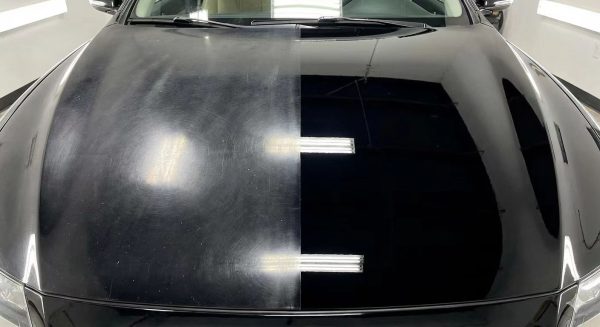
Dust and sand combined with wind can cause thousands of micro-abrasions over time. PPF significantly reduces these fine swirl marks, especially in outdoor environments.
—
What to Look for in Paint Protection Film for Outdoor Use
If your vehicle is frequently parked outdoors, choosing the right film is critical. Pay attention to:
High-quality TPU raw materials (not TPH)
Heat-resistant, removable adhesive
Proven anti-yellowing performance
Clear warranty terms (5–10 years recommended)
Low-quality films often yellow, harden, or fail under heat and UV exposure, especially in outdoor conditions, leading to higher long-term costs.
—
Who Should Consider Paint Protection Film?
Paint protection film is especially worthwhile if you:
Drive frequently on highways
Park outdoors most of the time
Own a new, luxury, or electric vehicle
Care about preserving factory paint and resale value
—
Final Thoughts: Practical Protection, Not a Myth
Paint protection film is not magic, and it will not eliminate every possible rock chip. However, in real-world driving and outdoor parking scenarios, it dramatically reduces paint damage and long-term wear.
For vehicles exposed to harsh environments, PPF is best viewed as a long-term risk management solution—one that protects your paint, your vehicle value, and your peace of mind.


 English
  العربية
  Русский
  Português