حلول إصلاح احترافية للخدوش الكبيرة على طبقة الحماية الشفافة (PPF) - دليل شامل لتقنيات إصلاح طبقة الحماية الشفافة (PPF)
الأكاديمية / فيلم حماية طلاء السيارة
With the development of the automotive detailing industry, Paint Protection Film (PPF), commonly known as “car wrap”, has become the first choice for many car owners to protect their vehicle’s original paint. However, even high-strength PPF is inevitably subjected to accidents such as stone impacts, malicious scratches, and friction during daily driving, resulting in annoying large scratches. At this point, professional PPF repair technology becomes particularly crucial. This article will comprehensively analyze professional repair solutions for large scratches on PPF, take you deep into the core points of PPF repair technology, and help you make the right choice when your car is damaged.
I. Judgment Standards and Damage Types of Large Scratches on PPF
Before discussing repair solutions, we first need to clarify the judgment standards for “large scratches” and distinguish different types of damage, which is the basis for formulating targeted repair plans.
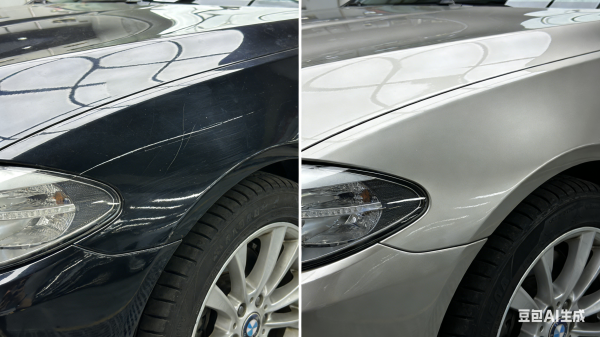
From an industry standard perspective, scratches on PPF can be divided into surface scratches, medium scratches, and deep large scratches based on depth. Among them, large scratches usually refer to damages with a length exceeding 5cm, depth penetrating the surface coating of the PPF, and even damaging the base material. Specifically, they can be divided into the following two types:
Coating-Damaged Large Scratches: Such scratches only damage the surface coating of the PPF, while the base material remains intact. They are characterized by loss of luster at the scratch, obvious white marks, and a slight uneven feeling when touched by hand. They are common in daily friction, minor scratches and other scenarios.
Base Material-Damaged Large Scratches: The scratches are deep enough to penetrate the surface coating and damage the PPF base material, and may even cause tearing and damage to the base material. Such scratches are mostly caused by strong impacts such as high-speed stone impacts and malicious scratches with sharp objects. They not only affect the appearance but also lose the protective effect on the original paint.
II. Core of PPF Repair Technology: Professional Solutions for Large Scratches
For different types of large scratches, PPF repair technology has clear segmented solutions. The core principle is “repair if possible, replace only when necessary, and precise repair”, which ensures the repair effect while minimizing the car owner’s maintenance cost. The following are two mainstream professional repair solutions:
(I) Coating-Damaged Large Scratches: Local Coating Repair Technology
For large scratches that only damage the surface coating, there is no need to replace the entire piece of PPF. The local coating repair technology can achieve ideal results. The core of this technology is to repair the damaged coating and restore the luster and protective performance of the PPF through professional materials and processes. The specific steps are as follows:
Cleaning and Sanding: First, use professional cleaning agents to remove dust, oil stains and impurities on the surface of the scratch to ensure the repair area is clean and free of pollution. Then use ultra-fine sandpaper (usually above 2000 grit) to lightly sand the scratch area, smoothing the burrs at the edges of the scratch to lay the foundation for subsequent coating repair.
Application of Coating Repair Fluid: Select a professional repair fluid consistent with the coating material of the original PPF (such as TPU-specific repair coating), and evenly apply it to the sanded scratch area with a high-precision spray gun or special application tool. The choice of repair fluid is crucial. High-quality repair fluid needs to have yellowing resistance, UV resistance and scratch resistance comparable to the original coating.
Curing and Polishing: After application, according to the characteristics of the repair fluid, use UV curing or natural curing to fully dry and cure the repair fluid. After curing, use a professional polisher with ultra-fine polishing paste for polishing until the gloss and flatness of the repair area are completely consistent with the surrounding PPF, and no repair traces can be seen with the naked eye.
The advantages of this solution are low repair cost and short time-consuming (usually completed in 1-2 hours), and it can maximize the integrity of the original PPF. It is suitable for the repair of most surface large scratches.
(II) Base Material-Damaged Large Scratches: Local Replacement + Seamless Splicing Technology
When the scratch damages the PPF base material, simple coating repair cannot restore its protective performance. At this time, the “local replacement + seamless splicing” repair solution is needed. This technology is an advanced process in PPF repair technology, which has high requirements for the technical level and equipment of the construction master. The specific steps are as follows:
Damage Area Positioning and Cutting: First, accurately locate the scope of the base material damage. According to the damage size, cut the area to be replaced with professional tools without damaging the surrounding intact PPF. A certain splicing margin should be reserved during cutting to ensure the tightness of subsequent splicing.
Old Film Removal and Base Cleaning: Carefully remove the cut old film to avoid damaging the original paint. After removal, use professional glue remover to clean the residual glue, then thoroughly clean the base with cleaning agent to ensure the base is dry, clean and free of impurities.
New Film Cutting and Lamination: According to the size of the removed old film, accurately cut a new film consistent with the material and model of the original PPF. Before lamination, evenly spray installation fluid on the base, adjust the position of the new film to ensure alignment with the surrounding old film. Then use a professional scraper to expel the air and installation fluid in the film, making the new film closely adhere to the base.
Seamless Splicing and Polishing: At the joint between the new film and the old film, use a special edge pressing tool to compact the joint to ensure no gaps or bubbles. Finally, polish the entire replacement area and its surroundings to make the gloss and flatness of the new film consistent with the old film, achieving the effect of “seamless repair”.
Although the cost of this solution is higher than that of local coating repair, it can completely restore the protective performance of the PPF. It is suitable for the repair of severe large scratches such as base material damage and tearing, and is the mainstream solution for handling severe damage in the industry.
III. Key Points for Choosing PPF Repair Technology: Avoid These Mistakes
When choosing a PPF repair solution, many car owners are prone to falling into misunderstandings, leading to poor repair results and even damage to the original paint. The following are several key selection points to help you avoid pitfalls:
Reject “One-Size-Fits-All” Replacement: Some unscrupulous merchants, in pursuit of high profits, will persuade car owners to replace the entire PPF on the grounds that “large scratches cannot be repaired”. In fact, most large scratches can be restored through professional repair technology. Only when the PPF is severely damaged, aged on a large area, or the repair cost is close to the replacement cost, should overall replacement be considered.
Identify Matching Repair Materials: Different brands and models of PPF have differences in coating materials and glue formulas. During repair, it is necessary to select repair fluids, new films and other materials matching the original film. Otherwise, compatibility issues will occur, leading to easy peeling, yellowing and cracking of the repair area.
Choose a Professional Construction Team: PPF repair technology has high requirements for the experience and technical level of the construction master, especially seamless splicing technology, which requires professional training to master. It is recommended that car owners choose regular auto detailing shops with formal qualifications and rich repair experience to avoid secondary damage caused by improper construction.
Pay Attention to Post-Repair Maintenance: After the repair is completed, it is necessary to follow the maintenance suggestions of the construction master, such as avoiding direct high-pressure water impact on the repair area and not performing polishing and waxing operations in a short period of time, to ensure that the repair coating or new film can be stably cured and extend its service life.
IV. Conclusion: Professional Repair, Renew Your PPF
The core value of PPF lies in protecting the original paint of the car. When encountering large scratches, there is no need to be overly anxious. As long as you choose the correct PPF repair technology and a professional construction team, you can renew the “protective coat” of your car. Whether it is a minor large scratch with damaged surface coating or a severe large scratch with damaged base material, there are corresponding professional repair solutions, which can not only ensure the repair effect but also effectively control the cost.
If your car’s PPF has large scratches, it is recommended to contact a professional auto detailing agency for inspection in a timely manner, and let professional personnel formulate a targeted repair plan according to the type of damage. Remember, high-quality repair can not only restore the appearance but also continue the all-round protection of the PPF on the original paint, keeping your car in the best condition at all times.
تواصل معي
تُقدّم WooMagicar خدماتها لأكثر من 300 مركز خدمة معتمد (4S) وموزعين إقليميين، موفرةً توريدًا مباشرًا من المصنع، وخصومات على الكميات الكبيرة، واختبار عينات مجاني، واختيار منتجات مُخصصة، وتعاونًا إقليميًا حصريًا. تواصل معي في أي وقت للاستفسار عن مواعيد التوريد، وشروط الضمان، أو للتعاون المباشر.


 English
  العربية
  Русский
  Português