الطلاء النانوي مقابل الطلاء السيراميكي لطبقة الحماية الشفافة: الاختلافات الرئيسية وأيهما تختار
الأكاديمية / فيلم حماية طلاء السيارة
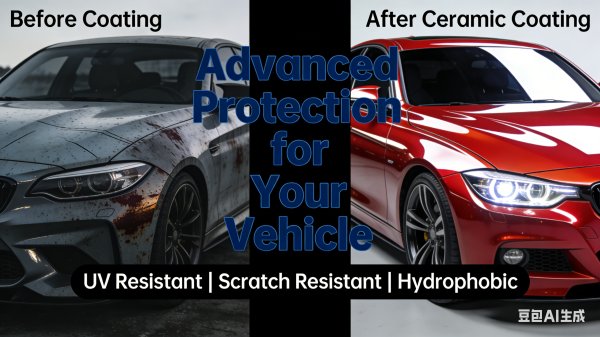
When it comes to protecting your vehicle’s paint, paint protection film (PPF) has become a go-to solution for car enthusiasts and daily drivers alike. But the effectiveness of PPF doesn’t just depend on the film itself—its top coating plays a crucial role in enhancing durability, gloss, and protection. Two of the most popular coating options for PPF are nano coating and ceramic coating. While many people use these terms interchangeably, they are distinct in composition, performance, and application. In this guide, we’ll break down the differences between nano coating and ceramic coating for PPF, helping you make an informed decision for your vehicle.
Understanding PPF Coating Technology: The Basics
Before diving into the differences, it’s essential to understand why PPF coatings matter. The top coating of PPF acts as a barrier between the film and the external environment, shielding it from scratches, UV rays, chemicals, and dirt. A high-quality coating not only extends the lifespan of the PPF but also maintains the vehicle’s aesthetic appeal by preserving its gloss and preventing yellowing. Both nano and ceramic coatings leverage advanced materials science, but their molecular structures and core components set them apart.
What Is Nano Coating for PPF?
Nano coating for PPF is a protective layer formulated using nanotechnology, where the active ingredients are particles measured in nanometers (1 to 100 nanometers)—far smaller than the width of a human hair. These tiny particles bond to the PPF surface at a molecular level, forming an ultra-thin, invisible barrier. The primary components of nano coatings typically include nanopolymers, inorganic oxides (such as titanium dioxide or zinc oxide), or even graphene in high-end formulations.
Key characteristics of nano coatings:
Ultra-thin structure: Unlike thicker coatings, nano coatings form a molecular-level layer that doesn’t add bulk to the PPF, maintaining the film’s flexibility.
Excellent hydrophobicity: The nanoscale particles create a smooth surface that repels water, causing liquids to bead up and roll off. This minimizes water spots and makes cleaning easier.
Basic protection: Nano coatings offer reliable defense against UV rays, oxidation, and light contaminants like dust and bird droppings. They also provide light resistance to minor scratches and swirl marks.
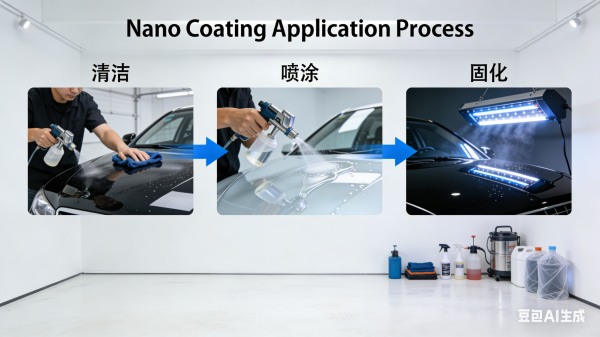
Easy application: Many nano coatings are designed for spray-on or wipe-on application, making them suitable for both professional and DIY use in some cases.
What Is Ceramic Coating for PPF?
Ceramic coating (also known as glass coating in some markets) is a liquid polymer that forms a semi-permanent or permanent bond with the PPF surface through chemical reactions. Its core components are silica dioxide (SiO₂) and sometimes titanium dioxide (TiO₂)—materials derived from ceramics—which give the coating its exceptional hardness and durability. Unlike nano coatings, ceramic coatings form a thicker, more robust layer that integrates with the PPF rather than just adhering to its surface.
Key characteristics of ceramic coatings:
High hardness: Ceramic coatings are significantly harder than nano coatings, often rated between 9H and 10H on the pencil hardness scale. This makes them highly resistant to minor scratches, swirl marks, and even light impacts.
Long-lasting durability: With proper maintenance, ceramic coatings can last for years (3 to 5 years or more), compared to the shorter lifespan of nano coatings. This is due to their chemical bond with the PPF, which prevents premature wear and peeling.
Superior hydrophobicity: While nano coatings offer excellent water repellency, ceramic coatings take it a step further. Their dense structure creates an almost “lotus effect,” where water and contaminants slide off effortlessly, reducing the need for frequent washing.
Enhanced chemical resistance: Ceramic coatings are highly resistant to harsh chemicals such as road salt, acid rain, and automotive cleaners, which can damage uncoated or nano-coated PPF over time.
Which Coating Is Right for Your PPF?
The choice between nano coating and ceramic coating depends on your needs, budget, and how you use your vehicle. Here are some scenarios to help you decide:
Choose Nano Coating If:
You’re on a tight budget and need basic protection for your daily driver.
You prefer a DIY-friendly application or want a coating that’s easy to reapply.
Your vehicle is parked in a covered garage most of the time and isn’t exposed to harsh environmental conditions.
You want a temporary solution while planning to upgrade to ceramic coating later.
Choose Ceramic Coating If:
You own a high-end vehicle or want long-term, maximum protection for your PPF.
Your vehicle is frequently exposed to harsh conditions (road salt, acid rain, intense UV rays, off-roading).
You value a glass-like gloss and want to minimize cleaning and maintenance efforts.
You’re willing to invest in professional application for a durable, semi-permanent finish.
Common Myths About Nano and Ceramic Coatings
There are several misconceptions about these coatings that can lead to poor decisions. Let’s debunk the most common ones:
Myth 1: Nano coating is the same as ceramic coating. Fact: While both use advanced materials, nano coatings are thinner, less durable, and have different compositions than ceramic coatings. Some manufacturers may use “nano-ceramic” as a marketing term, but true ceramic coatings rely on SiO₂/TiO₂ for hardness and durability.
Myth 2: Ceramic coating makes PPF scratch-proof. Fact: Ceramic coating is scratch-resistant, not scratch-proof. It can withstand minor scratches and swirls, but heavy impacts or sharp objects will still damage the PPF.
Myth 3: DIY ceramic coatings work as well as professional ones. Fact: Consumer-grade DIY ceramic coatings have lower SiO₂ concentrations and shorter lifespans than professional-grade products. Professional application ensures proper surface preparation (decontamination, polishing) and even coating, which is critical for durability.
Maintenance Tips for Coated PPF
To maximize the lifespan of your PPF coating, follow these maintenance tips:
Wash your vehicle regularly with a pH-neutral car shampoo to remove contaminants.
Avoid using abrasive cleaners, sponges, or brushes that can scratch the coating.
Dry your vehicle with a microfiber towel to prevent water spots.
For nano coatings: Reapply every 6-12 months to maintain protection.
For ceramic coatings: Use a ceramic booster spray every 3-6 months to refresh hydrophobicity and gloss.
Park in shaded areas or use a car cover to minimize UV exposure.
خاتمة
Nano coating and ceramic coating are both excellent options for enhancing the protection and appearance of PPF, but they cater to different needs. Nano coating is a budget-friendly, temporary solution for basic protection, while ceramic coating is a long-term investment that offers superior durability, hardness, and gloss. By understanding their differences, you can choose the right coating to keep your vehicle’s paint safe and looking its best for years to come.
If you’re still unsure which coating is right for your vehicle, consult a professional PPF installer. They can assess your vehicle’s usage, environment, and budget to recommend the best solution.
FAQs About Nano and Ceramic Coatings for PPF
Q1: Can I apply both nano and ceramic coatings on PPF? A1: While it’s technically possible, it’s not necessary. Ceramic coating already provides superior protection, and applying a nano coating over it won’t enhance performance. For best results, choose one coating type based on your needs.
Q2: Does ceramic coating yellow over time? A2: High-quality ceramic coatings are formulated with UV inhibitors that prevent yellowing. Cheaper products may yellow, so it’s important to choose a reputable brand.
Q3: How long does the application process take? A3: Nano coating application typically takes 1-2 hours. Ceramic coating is more time-consuming, taking 4-8 hours (or more) due to surface preparation and curing time.
Q4: Is ceramic coating worth the cost? A4: If you want long-term protection and minimal maintenance, yes. Ceramic coating reduces the need for frequent waxing and cleaning, and it preserves the value of your vehicle by preventing paint damage.
تواصل معي
تُقدّم WooMagicar خدماتها لأكثر من 300 مركز خدمة معتمد (4S) وموزعين إقليميين، موفرةً توريدًا مباشرًا من المصنع، وخصومات على الكميات الكبيرة، واختبار عينات مجاني، واختيار منتجات مُخصصة، وتعاونًا إقليميًا حصريًا. تواصل معي في أي وقت للاستفسار عن مواعيد التوريد، وشروط الضمان، أو للتعاون المباشر.

 English
  العربية
  Русский
  Português