When choosing automotive window tint, many buyers focus on price or appearance—but the real value lies in its heat rejection performance. Understanding how to read window tint specifications will help you make a smarter decision, especially in hot climates.
In this guide, we’ll break down the key metrics behind window tint heat rejection and explain how to interpret them like a professional.
How to Understand Window Tint Heat Rejection: A Complete Guide to Tint Performance Metrics
When choosing automotive window tint, many buyers focus on price or appearance—but the real value lies in its heat rejection performance. Understanding how to read window tint specifications will help you make a smarter decision, especially in hot climates.
In this guide, we’ll break down the key metrics behind window tint heat rejection and explain how to interpret them like a professional.
—
What Does “Heat Rejection” Mean?
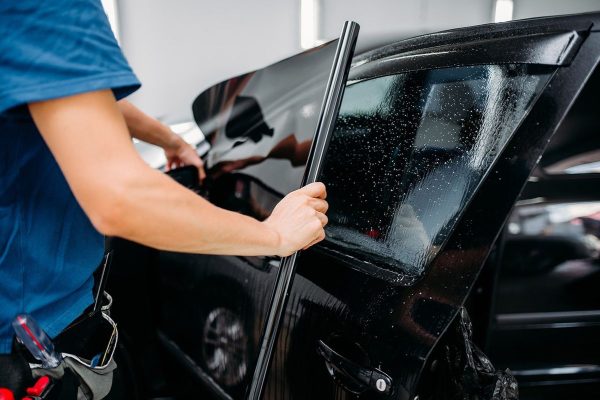
Heat rejection refers to how effectively a window film blocks heat from entering your vehicle. Since sunlight carries energy in different forms, tint performance is measured across several categories—not just one single number.
—
Key Window Tint Performance Metrics Explained
1. Total Solar Energy Rejected (TSER)
TSER is the most important number when evaluating heat rejection.
It represents the total percentage of solar energy blocked by the film.
Includes UV, visible light, and infrared heat.
👉 Example:
TSER 60% = Blocks 60% of total solar heat
TSER 70%+ = High-performance film
Pro Tip:
If you only look at one metric, choose TSER.
—
2. Infrared Rejection (IRR)
Infrared rays are the main source of heat you feel inside the car.
IRR shows how much infrared radiation is blocked.
Usually measured in percentages (e.g., 85%, 95%, 98%).
👉 But be careful: Some brands advertise IRR at specific wavelengths (like 900nm or 1400nm), which can make the number look higher than real-world performance.
Better metric:
Look for IRER (Infrared Energy Rejection) if available—it’s more accurate.
—
3. Visible Light Transmission (VLT)
VLT measures how much visible light passes through the tint.
High VLT = lighter film
Low VLT = darker film
👉 Example:
70% VLT = very light (legal in many regions)
20% VLT = dark tint
⚠️ Important: Darker does NOT always mean better heat rejection.
Modern nano-ceramic films can achieve high heat rejection even with high VLT.
—
4. Ultraviolet Rejection (UVR)
UVR indicates how much harmful UV radiation is blocked.
Most quality films block 99%+ UV rays
Protects skin and prevents interior fading
👉 While important for health, UV contributes less to heat compared to infrared.
—
How Different Materials Affect Heat Rejection
Nano-Ceramic Window Film
Advanced heat rejection technology
High TSER and IRR even at high VLT
No signal interference
👉 Best for premium performance
![]()
—
Titanium Nitride (TiN) Film
Metallic-based with strong infrared blocking
Durable and stable color
👉 Good balance of performance and cost
—
Dyed Film (Basic Option)
Mainly reduces glare
Low heat rejection
👉 Budget choice, not recommended for hot climates
—
Real-World Example: How to Compare Two Films
Film A:
TSER: 65%
IRR: 90%
VLT: 50%
Film B:
TSER: 50%
IRR: 98% (at single wavelength)
VLT: 20%
👉 Which is better?
Answer: Film A
Because TSER is higher and IRR is more realistically measured.
—
How to Choose the Right Window Tint
When evaluating window films:
Prioritize TSER (overall heat rejection)
Check IRR measurement method
Choose VLT based on legal requirements and visibility needs
Ensure UVR ≥ 99%
—
Final Thoughts
Understanding window tint heat rejection metrics helps you avoid misleading marketing claims and choose a film that truly improves comfort.
For buyers in hot regions like the Middle East or Southeast Asia, investing in high TSER nano-ceramic or TiN films can significantly reduce cabin temperature, improve driving comfort, and protect your vehicle interior.

 English
  العربية
  Русский
  Português