Choose a full wrap if you want a complete transformation and maximum protection.
Choose a partial wrap if you prefer subtle customization, faster installation, or lower upfront cost.
For automotive businesses and exporters, offering both high-end PET films and cost-efficient PVC options allows you to target multiple market segments and increase competitiveness in global markets.
Car wrapping has become one of the fastest-growing trends in automotive customization. Whether you’re upgrading a new vehicle or refreshing an older one, the big question remains:
Should you choose a full car wrap or a partial wrap?
In this guide, we’ll break down the differences, benefits, costs, and ideal use cases to help car owners — and automotive businesses — make the right decision.
—
What Is a Full Car Wrap?
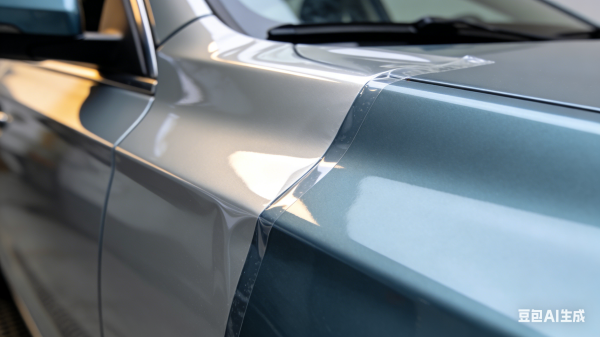
A full car wrap covers the entire exterior surface of the vehicle with color change vinyl (PVC or PET material), completely transforming the vehicle’s appearance.
Key Benefits of a Full Wrap
Complete color transformation – Dramatically change the vehicle’s personality
Uniform, premium appearance – Seamless and consistent visual impact
Paint protection – Shields original paint from UV, minor scratches, and contaminants
Resale value protection – Original factory paint remains intact underneath
Full wraps are especially popular among owners of premium brands such as BMW and Mercedes-Benz, where aesthetics and finish quality matter significantly.
Best For:
New car owners seeking a bold statement
Luxury or performance vehicle owners
Car enthusiasts and modification communities
Long-term personal use
![]()
—
What Is a Partial Car Wrap?
A partial wrap involves wrapping selected parts of the vehicle, such as:
Roof (floating roof effect)
Hood
Side mirrors
Racing stripes
Accent panels
Key Benefits of a Partial Wrap
Lower cost investment
Faster installation (often within 1 day)
Flexible design updates
Great for branding or promotional vehicles
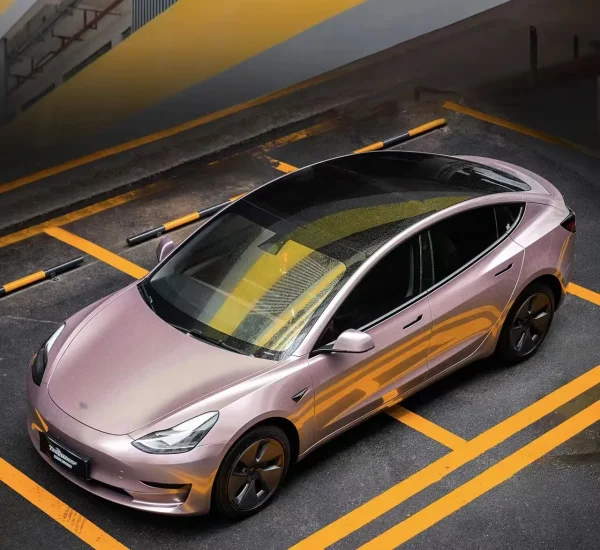
Partial wraps are especially popular among EV owners, including drivers of Tesla, where minimalistic styling pairs well with contrast accents.
Best For:
Budget-conscious car owners
Commercial or branding vehicles
Drivers who want subtle personalization
Trend experimentation without full commitment
—
Full Wrap vs Partial Wrap: Side-by-Side Comparison
Factor Full Wrap Partial Wrap
Cost Higher Lower
Visual Impact Maximum Moderate
Installation Time 2–3 days 0.5–1 day
Customization Level Complete transformation Accent-based
Paint Protection Full coverage Limited coverage
—
Material Matters: PVC vs PET Wrap Films
Whether choosing full or partial wrapping, material quality directly impacts durability and appearance.
PVC Wrap Film
Cost-effective
Wide color range
Suitable for mid-range markets
PET Wrap Film
Higher gloss and clarity
Better stretchability
Superior weather resistance
Longer lifespan
For premium markets (Europe, Middle East, North America), PET-based color change films are increasingly preferred due to their enhanced finish and durability.
—
Do You Need to Register a Color Change?
In many countries, significant color changes require updating vehicle registration records. Always check local regulations before proceeding to avoid compliance issues.
—
2026 Car Wrap Trends
The latest trends in automotive wrapping include:
Satin and ultra-gloss finishes
Two-tone combinations
Gradient color transitions
Carbon fiber texture accents
Matte + gloss contrast designs
Today’s consumers value personalization more than ever. Combining full wrap foundations with partial accent elements is becoming a strong market trend.
—
Final Thoughts: Which Option Is Right for You?
Choose a full wrap if you want a complete transformation and maximum protection.
Choose a partial wrap if you prefer subtle customization, faster installation, or lower upfront cost.
For automotive businesses and exporters, offering both high-end PET films and cost-efficient PVC options allows you to target multiple market segments and increase competitiveness in global markets.

 English
  العربية
  Русский
  Português