هل تحتاج إلى تلميع السيارة قبل وضع طبقة حماية الطلاء؟ قائمة مراجعة احترافية قبل التركيب
الأكاديمية / فيلم حماية طلاء السيارة
Do you need to polish before PPF? The answer is a definitive YES.
It is not just for aesthetics; it is vital for the quality of the installation. This Pre-Installation Checklist shows that a flawless PPF result is built on the foundation of meticulous paint preparation. Do not compromise on the prep work just to save a little on labor costs—it maximizes the value of your expensive film.
Investing in Paint Protection Film (PPF), often known as a “Clear Bra,” is a significant decision for any car owner. One of the most common questions asked during the consultation phase is: “My car is brand new/has factory paint; do I really need to polish it before applying the film?” After all, many owners worry that polishing removes too much clear coat.
The short answer is: Yes. To achieve a flawless finish and ensure longevity, almost all vehicles require some level of “polishing” or “paint correction” before PPF installation.
However, this doesn’t mean aggressively grinding down your paint. This article delves into why this step is non-negotiable and provides a Professional Pre-Installation Checklist to help you evaluate if a shop is following the correct Standard Operating Procedures (SOP).
Why is “Polishing” Necessary Before PPF? (Even for New Cars)
In professional detailing, we refer to this step as “Paint Correction” or “Jeweling,” rather than just simple polishing. 1. Eliminating Defects to Avoid “Locking Them In”
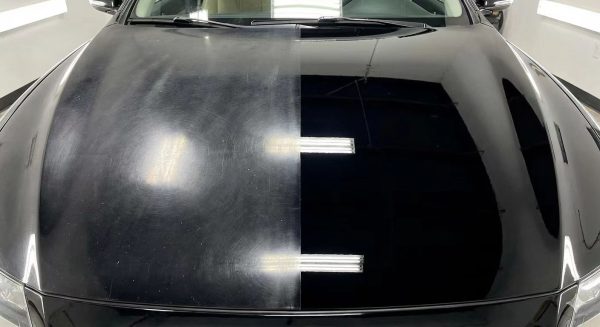
PPF is transparent. If you do not address scratches, swirl marks (fine scratches caused by improper washing), or oxidation before installation, you will permanently “seal” these defects under the film. While high-quality PPF has some gap-filling properties, imperfections on dark-colored cars will still be visible under direct sunlight. 2. Enhancing Adhesion (Bonding)
If the paint surface has oxidation, road grime, or unevenness, it directly affects the adhesive strength of the TPU film. A corrected surface is microscopically smooth, allowing the film to bond tighter to the clear coat, significantly reducing the risk of edges lifting or bubbles forming later on. 3. Achieving the Ultimate “Mirror Finish”
One of the main reasons for applying PPF is to enhance gloss. Applying film over dull or hazy paint results in scattered light refraction, making the car look “muted.” You cannot achieve that wet, deep, mirror-like shine without a perfect base.
> Note: For brand-new cars, technicians typically use a “Finishing Pad” with a fine polish. The goal is simply to remove surface oxidation and light marring from transport, removing a negligible amount of clear coat while maximizing gloss.
The Professional Pre-Installation Checklist
A high-end detailing shop often spends more time on “prep work” than on the actual film application. Here is the industry standard pre-installation checklist: Step 1: Deep Cleaning (Decontamination Wash)
This is not a standard car wash. Technicians use high-pressure water to flush out crevices and soft brushes to clean emblems, door handles, and headlight edges.
* Purpose: To prevent hidden dirt in cracks from dislodging during installation and creating “contamination specks” under the film. Step 2: Physical Decontamination (Clay Bar Treatment)
This is the biggest differentiator between a DIY wash and professional prep. Technicians use a “Clay Bar” with lubricant to glide over the paint.
* Purpose: To remove bonded contaminants that regular washing can’t touch, such as iron fallout, tree sap, tar, and industrial overspray.
* The Test: Run the back of your hand over the paint. It must feel as smooth as glass, with zero grit. Step 3: Paint Correction / Jeweling
This is the “polishing” stage we discussed.
* Used Cars: Requires multi-stage correction (Compounding + Polishing) to remove deeper scratches and oxidation.
* New Cars: Requires a single-stage “Jeweling” polish to enhance gloss and remove holograms.
* Crucial Detail: All plastic trim and rubber seals must be masked off with tape to prevent staining from polishing compounds. Step 4: Full Surface Degreasing (Panel Wipe)
This is the most critical step often skipped by budget shops. Polishing compounds contain oils. If these oils are not removed, the film’s adhesive will not grab the paint effectively.
* Action: Wiping the entire vehicle with a dedicated prep solution (like Isopropyl Alcohol or specific Panel Wipes).
* Consequence: Skipping this leads to film lifting at the edges and corners within months. Step 5: Final Air Purge & Dust Removal
Before the film touches the car, technicians use compressed air to blow out any remaining moisture or dust from crevices, ensuring the clean room environment remains sterile.
How to Spot a Professional Shop?
If you are visiting a shop for a quote, look for these indicators:
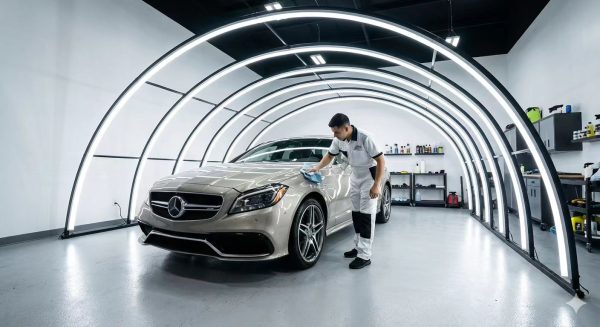
* Do they have specialized lighting? You cannot see paint defects without high-intensity LED inspection lights (scangrip lights) or light tunnels.
* Do they assess your paint condition? A pro will check if your car is new or used and customize the polishing package accordingly.
* Do they mention “Degreasing” or “Prep Work”? This step dictates the lifespan of your PPF.
Summary
Do you need to polish before PPF? The answer is a definitive YES.
It is not just for aesthetics; it is vital for the quality of the installation. This Pre-Installation Checklist shows that a flawless PPF result is built on the foundation of meticulous paint preparation. Do not compromise on the prep work just to save a little on labor costs—it maximizes the value of your expensive film.
تواصل معي
تُقدّم WooMagicar خدماتها لأكثر من 300 مركز خدمة معتمد (4S) وموزعين إقليميين، موفرةً توريدًا مباشرًا من المصنع، وخصومات على الكميات الكبيرة، واختبار عينات مجاني، واختيار منتجات مُخصصة، وتعاونًا إقليميًا حصريًا. تواصل معي في أي وقت للاستفسار عن مواعيد التوريد، وشروط الضمان، أو للتعاون المباشر.

 English
  العربية
  Русский
  Português